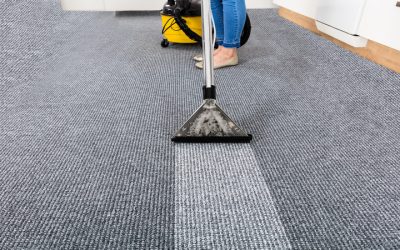
Yes, sunscreen, body oils, lotions, and similar products can contribute to dark carpet around sofas, beds, recliners, and other frequently used furniture. These substances may transfer from skin, clothing, feet, or hands to carpet fibers, leaving residue that attracts dust and becomes more visible over time.
The resulting discoloration may resemble ordinary soil, but vacuuming alone may not remove it. Understanding how the buildup occurs can help homeowners respond appropriately without spreading the residue or damaging the carpet.
Why Does Carpet Darken Near Furniture?
Carpet near furniture is exposed to concentrated daily activity. People may rest bare feet near a sofa, sit on the edge of a bed, or repeatedly use the same pathway around a recliner. Each contact can transfer small amounts of oil or personal-care products to the fibers.
These deposits are often invisible at first. As dust, pet hair, and tracked-in soil settle on the carpet, they adhere to the residue. The area gradually becomes darker than the surrounding surface.
The location of the discoloration can provide clues about its source. Dark carpet directly in front of a sofa may be connected to repeated foot contact. Marks beside a bed may form where hands or feet touch the same area. A narrow dark line around furniture legs may result from soil collecting where vacuum equipment has difficulty reaching.
How Does Sunscreen Affect Carpet Fibers?
Sunscreen contains ingredients designed to remain on the skin despite heat, perspiration, and outdoor activity. Those same qualities can make it difficult to remove after the product transfers to carpet.
In Surprise, Arizona, sunscreen is commonly used throughout much of the year. A person returning indoors may carry the product on their legs, feet, hands, clothing, or personal belongings. If they sit on carpeted stairs, rest their feet near a sofa, or place a beach bag on the floor, some of that residue may transfer.
Certain sunscreen formulas may also contain oils or pigments that leave visible marks. The outcome depends on the product, carpet fiber, carpet color, and how long the residue remains untreated. Aggressive scrubbing can push the material deeper into the pile or spread it across a larger area.
Can Natural Body Oils Cause Similar Buildup?
Skin naturally produces oils that can transfer to carpet during repeated contact. While a single contact is unlikely to create an obvious mark, months of use in the same location may produce gradual discoloration.
Body oils can combine with lotion, perspiration, dust, and household soil. This mixture may cause carpet fibers to feel sticky, stiff, or matted. The affected area may also appear darker when viewed from certain angles because residue changes how the fibers reflect light.
Homes with children or pets may notice this buildup sooner because carpet is used as an everyday living surface. However, the issue can occur in any household where people regularly walk barefoot or sit close to the floor.
Why Does Vacuuming Leave the Dark Area Behind?
Vacuuming is most effective at removing loose, dry particles. It may collect dust resting on top of the carpet, but it cannot always separate soil attached to an oily film.
When residue coats the fibers, ordinary soil can become bonded to the affected area. Vacuuming may improve the appearance slightly while leaving the underlying material in place. The dark patch then becomes visible again as more dust collects.
Professional carpet cleaning services may use pretreatment and extraction methods suited to the carpet’s fibers and condition. Surprise Carpet Cleaning and Flooring evaluates previous treatments, residue, traffic patterns, and visible wear before determining an appropriate approach. They can also explain when discoloration appears to involve permanent fiber or dye changes rather than removable soil.
Can Household Spot Cleaners Make the Problem Worse?
Household carpet products can leave residue when too much solution is applied or the area is not rinsed and extracted properly. That residue may feel sticky and attract additional soil, making the spot darker after it initially appears clean.
Combining products is particularly risky. Different ingredients may react with one another, affect the carpet’s dye, or leave a difficult film behind. Strong scrubbing can also distort the pile and create a worn area that continues to look dark even after the residue has been removed.
Before applying any product, check the carpet manufacturer’s care instructions. Test the solution in a hidden area and use only the recommended amount. Blotting is generally safer than rubbing because it limits spreading and fiber distortion.
Is the Discoloration Always Removable?
Not every dark area can be completely removed through carpet cleaning. Some marks involve permanent staining, dye changes, worn fibers, or damage caused by previous cleaning attempts.
Repeated foot traffic can crush the carpet pile and change how it reflects light. An area may therefore appear darker even when it no longer contains substantial soil. Oils can also penetrate deeper into the carpet backing when they remain untreated for a long period.
If the carpet is heavily worn, separating, or permanently discolored, flooring installation may eventually be more practical than repeated spot treatments. The decision should be based on the carpet’s overall condition, age, and whether the affected area can be repaired without replacing the entire surface.
How Can Homeowners Reduce Future Buildup?
Applying sunscreen away from carpeted areas and allowing it to absorb before sitting on furniture can reduce transfer. Washing hands after using oily products and wearing clean indoor footwear may also help.
Additional preventive steps include:
- Vacuuming around furniture edges regularly
- Moving lightweight furniture when cleaning
- Using washable mats near frequently used seating
- Addressing product spills promptly
- Cleaning pet resting areas consistently
- Following manufacturer maintenance instructions
Furniture arrangements may be adjusted periodically when practical. This distributes foot traffic more evenly and makes hidden edges easier to reach during routine maintenance.
Request Help With Dark Carpet Near Furniture
Dark carpet near sofas, beds, or recliners may result from a combination of sunscreen, body oils, cleaning residue, and repeated traffic. Identifying the cause is important because adding more household cleaner may leave additional residue without correcting the underlying issue.
If a dark area remains after vacuuming or returns after spot treatment, arrange a professional carpet evaluation in Surprise, AZ. A technician can assess the fibers, previous treatments, and surrounding wear before recommending cleaning, repair, or replacement.