Most household plumbing issues fall into a handful of categories: clogs, leaks, water heater failure, and low pressure, each with a distinct repair path.
Minor clogs and slow drains can often be addressed with basic tools, while persistent leaks or no hot water typically require licensed plumbing services.
Knowing which problem you have determines whether a quick DIY fix is appropriate or whether a professional inspection is the safer, more cost-effective choice.
A dripping faucet, a slow drain, or a water heater that stops producing hot water are among the most common reasons homeowners search for plumbing help. Identifying the specific problem first prevents wasted time on the wrong fix and helps determine whether a licensed professional is needed. Licensed plumbing services are typically required for issues involving gas lines, main water lines, or sewer connections, since these repairs affect code compliance and safety.
In Alpharetta, GA, older homes and newer developments alike experience a similar mix of issues tied to water pressure, pipe age, and seasonal temperature swings. Recognizing the warning signs early can prevent a minor nuisance from becoming a costly repair.
Clogged Drains and Slow-Moving Water
Clogs are the most frequently reported plumbing issue in residential homes. They typically build up gradually from grease, hair, soap residue, or food particles accumulating inside pipe walls.
Kitchen sinks: Grease and food debris are the leading cause; pouring hot water and dish soap through the line regularly can slow buildup.
Bathroom drains: Hair and soap scum typically cause shower and tub clogs, often requiring a drain snake or enzyme-based cleaner.
Toilets: Excess paper or non-flushable wipes are common culprits; a plunger resolves most single-toilet clogs.
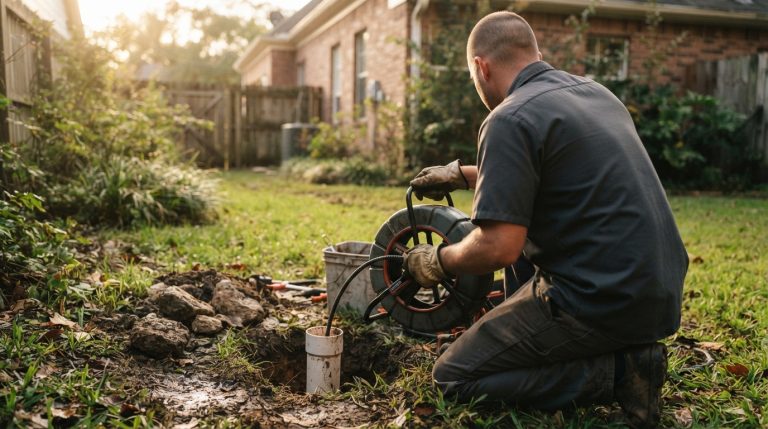
When a clog recurs in the same location despite cleaning, it often signals a deeper blockage or a pipe alignment issue that a plumbing camera inspection can identify.
Leaking Pipes and Fixtures
Leaks range from a dripping faucet that wastes water slowly to a hidden pipe leak that causes structural damage over time. The U.S. Environmental Protection Agency notes that household leaks nationwide waste significant amounts of treated water, and fixture leaks are among the most common and preventable sources. The EPA WaterSense program provides guidance on identifying and correcting common household leaks before they escalate.
Dripping faucets: Usually caused by a worn washer or O-ring and can often be replaced without special tools.
Running toilets: A faulty flapper valve or fill mechanism is the typical cause, generally an inexpensive fix.
Pipe leaks behind walls: Often indicated by water stains, musty odors, or unexplained increases in water bills, and usually require professional diagnosis.
Ignoring a persistent leak, even a small one, can lead to mold growth, warped flooring, or weakened drywall over time.
Water Heater Failures
A lack of hot water, inconsistent temperatures, or unusual noises from the water heater tank point to a handful of possible causes.
Symptom
Likely Cause
Recommended Action
No hot water
Failed heating element or pilot light
Professional inspection
Lukewarm water
Sediment buildup or undersized unit
Flush tank or evaluate capacity
Rumbling or popping sounds
Mineral deposits at tank bottom
Schedule a tank flush
Water pooling at base
Tank corrosion or loose fitting
Immediate professional assessment
Sediment accumulation is especially common in areas with harder water, and annual flushing extends the unit’s functional lifespan. A water heater older than ten years showing any of these symptoms is generally a candidate for replacement rather than repeated repair.
Low Water Pressure and Pipe Corrosion
Low pressure throughout a home, rather than at a single fixture, often points to a system-wide issue rather than a localized clog.
Check whether the main shutoff valve is fully open, since a partially closed valve restricts flow.
Inspect fixture aerators and showerheads for mineral buildup, which is a common and simple cause.
Consider pipe age and material, since galvanized steel pipes corrode internally over decades and gradually restrict flow.
Rule out a municipal supply issue by checking with neighbors or the local water utility.
Homes in Alpharetta, GA with original plumbing from several decades ago are more likely to experience corrosion-related pressure loss, which typically requires partial or full repiping rather than a simple fix.
Frequently Asked Questions
When should a plumbing issue be treated as an emergency? Active flooding, sewage backup, a burst pipe, or the smell of gas near a water heater all warrant immediate professional attention rather than a wait-and-see approach.
Can hard water contribute to multiple plumbing problems at once? Yes. Mineral-heavy water accelerates sediment buildup in water heaters, clogs aerators faster, and contributes to pipe scaling, which is why homes with hard water often report several symptoms simultaneously.
Is it normal for an older home to need more frequent plumbing repairs? Homes with original plumbing from several decades ago commonly experience more leaks, corrosion, and pressure issues simply due to material fatigue over time.
What is one practical way to prevent future clogs? Installing drain screens in sinks, tubs, and showers catches hair and debris before it enters the pipe, reducing the frequency of clogs significantly.
Understanding the root cause of a plumbing issue, rather than only treating the symptom, is the most reliable way to avoid repeat repairs. Homeowners in Alpharetta, GA dealing with recurring drain, leak, or pressure problems may benefit from a professional diagnostic visit from a company such as Estes Services to confirm the underlying cause before deciding on a repair path.
Key point: • Repeat sewer problems after a repair usually trace back to root intrusion, grease buildup, or skipping follow-up camera checks. • Scheduling a camera inspection every two to three years catches new...
A sudden plumbing disaster can strike at any moment, catching homeowners off guard and threatening the safety and value of their property. Whether it’s a burst pipe in the middle of the night or...
Hard water is a common challenge for many households in Davenport, IA. Residents often notice mineral buildup on faucets, spots on dishes, and even dry skin or dull hair after showering. If you are...