A properly applied exterior coating acts as a barrier against rain, humidity, UV rays, and temperature swings that otherwise damage siding, wood, and trim.
Surface preparation, primer selection, and application timing matter as much as the paint itself.
Homes in Fayetteville, NC face humid summers and freeze-thaw winters that both stress exterior surfaces.
Exterior paint does more than change how a house looks. It forms a protective film over siding, trim, and wood surfaces that slows water intrusion, reduces UV degradation, and helps materials withstand freeze-thaw cycles common to the Sandhills region of North Carolina.
Professional solutions for exterior home painting projects rely on a layered system: primer plus topcoat, applied under the right weather conditions to create a protective barrier. Without proper prep or the right application timing, even premium paint can fail early, letting moisture build up behind the surface and cause rot, mold, or peeling.
Wood, fiber cement, and masonry surfaces absorb moisture when left unprotected, and repeated wetting and drying cycles break down the material over time. According to the EPA’s moisture control guidance, painting over damp or moldy surfaces causes the new coating to peel rather than bond correctly.
Several weather-related stressors affect exterior surfaces year-round:
UV radiation breaks down paint binders, causing fading and chalking.
Humidity and rain drive moisture into porous materials like wood siding.
Freeze-thaw cycles expand trapped water, cracking brick, stucco, and old paint films.
Wind-driven debris accelerates surface wear on exposed trim and fascia boards.
A quality exterior coating slows each of these processes, but only when matched to the right substrate and climate conditions.
Application Conditions That Determine Long-Term Protection
Paint performance depends heavily on the conditions present during application, not just the product used. Industry guidance notes that coalescence completes on schedule within a 40 to 70 percent relative humidity range, with recoating possible in about 4 hours and full cure reached in roughly 7 days. Outside that range, the film can fail to bond properly.
Temperature also plays a critical role. Professional painters generally target temperatures between 50 and 80 degrees without extreme overnight swings, on overcast days with humidity between 40 and 70 percent. Painting outside these windows raises the risk of blistering, poor adhesion, or extended dry times that leave the film vulnerable to dew or rain.
Timing around rainfall matters as well. Many contractors follow a standard rule of no rain in the 24 hours before application and no rain in the 48 hours after the final coat to avoid trapping moisture in the film before it cures.
Surface Preparation and Coating Selection
Preparation work typically determines whether a paint job lasts years or fails within a season. Common steps include:
Pressure washing to remove dirt, mildew, and chalking residue.
Scraping and sanding loose or peeling paint.
Repairing or replacing rotted wood sections.
Applying a primer suited to the substrate and climate exposure.
Selecting a topcoat formulated for exterior UV and moisture resistance.
Prep Step
Purpose
Skipped Consequence
Pressure washing
Removes mildew and loose debris
Poor paint adhesion
Wood repair
Restores structural integrity
Continued rot spread
Primer application
Seals surface, blocks moisture
Early peeling or blistering
Weather-timed application
Allows proper curing
Soft film attracts dust and mildew
Business Information and Service Area
Garner’s Painting Service is a painting contractor based in Fayetteville, NC. Residential exterior work listed by the company includes complete exterior house painting, pressure washing, rotting wood identification and repair, deck cleaning and re-staining, and weather-resistant coating application. These services address the preparation and material steps outlined above, which directly affect how well a painted exterior withstands seasonal weather in the region.
Frequently Asked Questions
How often should a home’s exterior be repainted in a humid climate? Repainting frequency depends on paint quality, surface material, and sun or moisture exposure, but homes in humid regions like Fayetteville, NC often show wear sooner on south- and west-facing walls due to prolonged UV exposure.
Can exterior paint be applied in cold weather? Most manufacturers specify a minimum application temperature, commonly cited around 50 degrees Fahrenheit, since paint applied below that threshold may not cure properly before a freeze.
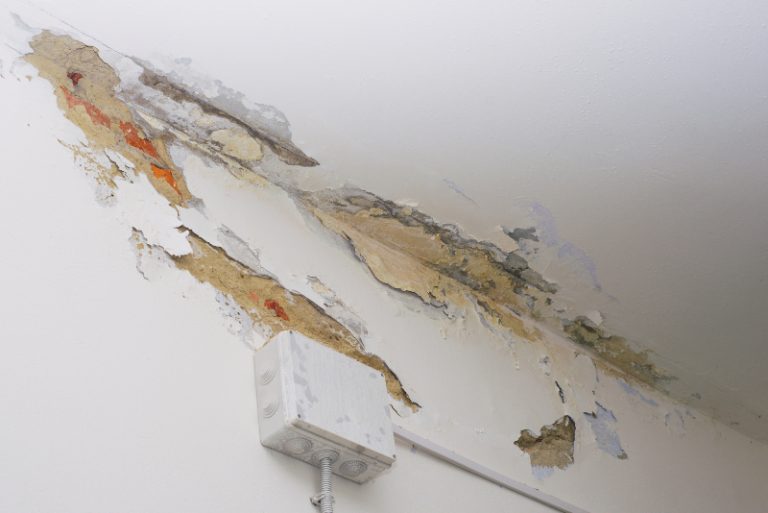
What signs indicate weather damage to exterior paint? Chalking, peeling, cracking, and dark staining near trim or window edges typically indicate moisture intrusion or UV breakdown that warrants inspection.
Does surface prep really affect how long paint lasts? Yes. Skipping steps like pressure washing or wood repair allows moisture and debris to remain under the new coat, which shortens the lifespan of the paint film regardless of product quality.
Exterior surfaces face constant exposure to sun, rain, and temperature shifts, and the materials and timing used during a paint job determine how well a home holds up against those conditions over time. Homeowners evaluating a repaint should ask about surface prep steps, primer type, and weather monitoring practices before scheduling work.
A fresh coat of paint can truly transform the look and feel of any home, creating a welcoming environment while enhancing curb appeal. Homeowners seeking to improve their property’s value and aesthetics often search...
Homeowners in Haddonfield often face a range of challenges in maintaining the beauty and structural integrity of their interiors. Among the most common problems are cracks, dents, and water stains in drywall, which can...
Giving your home a fresh, modern look doesn’t always require a full-scale renovation. One of the most effective ways to enhance both style and functionality is by updating your kitchen or bathroom cabinets with...