• Secure the property first, then contact your insurance carrier and a licensed restoration company before attempting cleanup.
• Smoke, soot, and water from firefighting efforts often cause damage beyond the visible burn area.
• Acting within the first 24 to 48 hours reduces the risk of permanent staining, corrosion, and lingering odor.
A house fire can change a home in a matter of minutes, but the real recovery work happens over the days that follow. Taking the right steps in the right order protects your family, your belongings, and your insurance claim. For guidance on what professional fire damage restoration involves, read more About Parkside Restoration.
If you are facing fire restoration in Lisle IL, the process generally starts only after local fire officials confirm the structure is safe to re-enter. From there, a structured sequence of inspection, cleanup, and repair planning determines how much of the home and its contents can be saved.
What Happens Immediately After the Fire Is Out
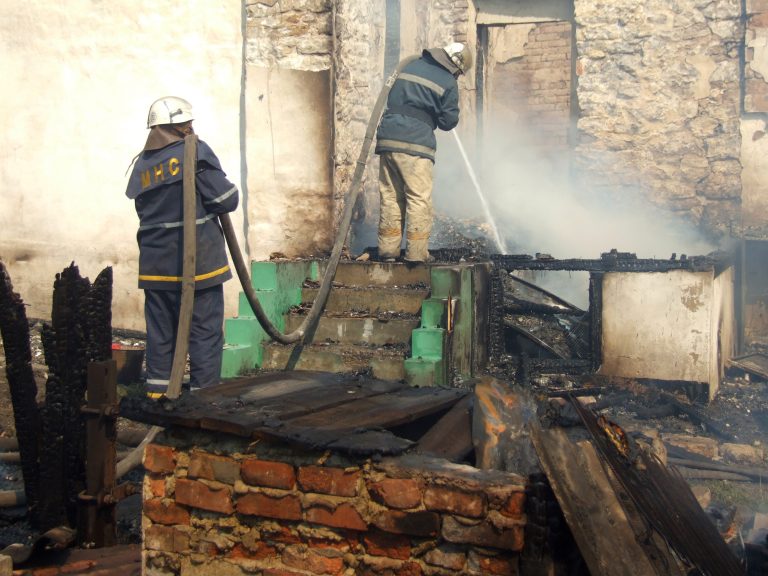
Once firefighters clear the scene, the property is often still unsafe without further inspection. A few priorities come first:
• Confirm with fire officials that it is safe to enter before retrieving any items.
• Document the damage with photos or video for your insurance claim before anything is moved or cleaned.
• Contact your insurance provider as soon as possible to start the claims process.
• Arrange for board-up or tarping if windows, doors, or the roof were compromised, since an open structure invites weather damage, theft, and pests.
Homes affected by fire are rarely damaged only where flames touched. According to the National Fire Protection Association, home structure fires remain a significant national hazard, and smoke, soot, and firefighting water routinely spread well beyond the visible burn area. This is one reason inspection has to cover the entire structure, not just the room where the fire started.
The Inspection and Damage Assessment Process
A thorough inspection sets the direction for every step that follows. During this phase, a restoration team typically evaluates:
1. Structural damage to framing, walls, and roofing materials.
2. Smoke movement through HVAC systems, wall cavities, and ductwork.
3. Soot deposits on surfaces, fabrics, and personal belongings.
4. Odor penetration into porous materials like drywall, insulation, and carpet.
5. Water damage left behind from firefighting efforts.
This assessment is what separates salvageable items and surfaces from those that need replacement. For fire restoration in Lisle IL, this kind of inspection is used to document losses clearly, which also supports communication with insurance adjusters during the claims process.
Cleanup, Content Recovery, and Odor Treatment
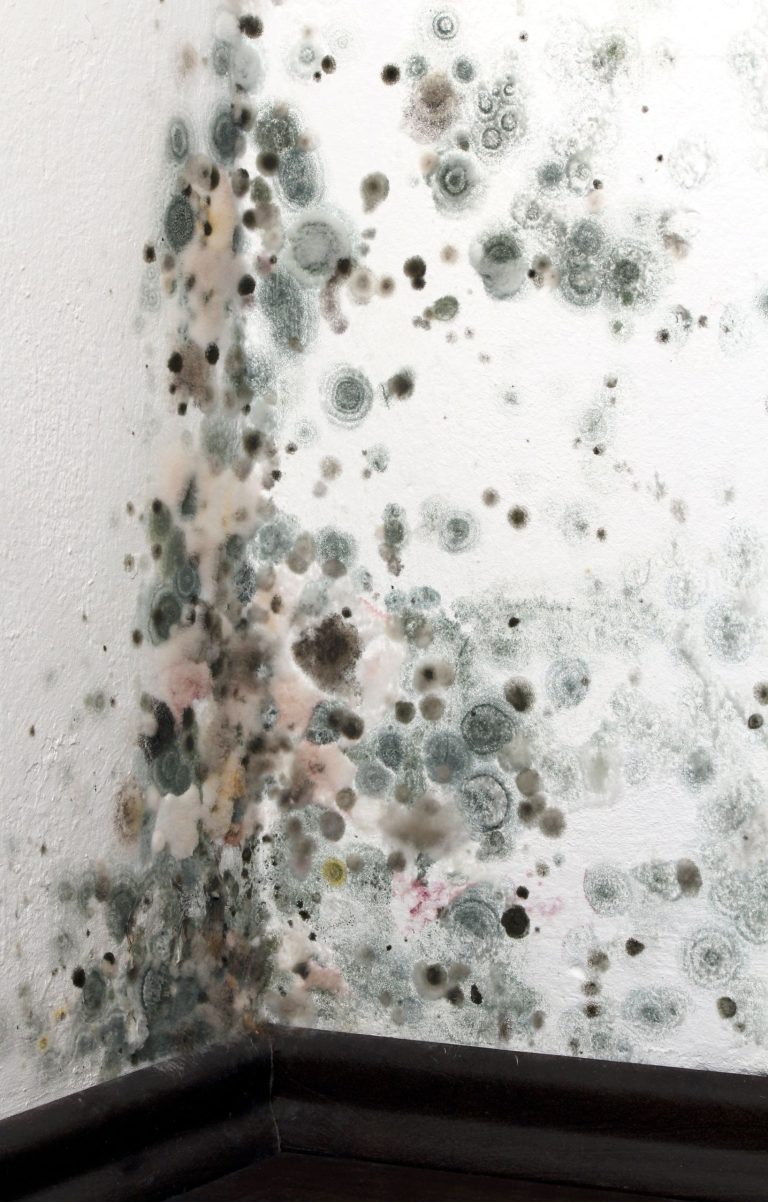
After the assessment, the physical recovery work begins. This stage typically includes securing exposed openings, removing debris, and cleaning surfaces that can be restored rather than replaced. Wet materials are dried to prevent secondary mold growth, and affected belongings are evaluated for cleaning, storage, or disposal.
Odor control is a distinct part of this phase, since smoke smell can persist in fabrics, insulation, and even hard surfaces long after visible soot is gone. Many items, including clothing, furniture, and select personal belongings, can often be cleaned and salvaged with professional content cleaning methods rather than thrown out, which can reduce overall replacement costs. Early evaluation of damaged items generally improves the odds of a successful save.
Recovery Stage
Primary Goal
Typical Timeframe
Inspection and assessment
Identify scope of damage
Within 24-48 hours
Cleanup and debris removal
Remove soot, ash, and unsalvageable material
Days 2-7
Drying and odor treatment
Address water and smoke odor
Ongoing through repairs
Repair and reconstruction planning
Restore structure to pre-loss condition
Varies by damage scope
Repair Planning and Moving Forward
Once cleanup and drying are complete, attention shifts to repairs. Depending on the extent of the damage, this can include drywall replacement, flooring repair, painting, and other structural work needed to bring the home back to a livable condition. Clear documentation throughout each stage helps homeowners track progress and supports any ongoing insurance discussions.
Recovery timelines vary widely depending on how much of the structure was affected and how quickly stabilization work began. Properties in and around Lisle benefit from working with a team familiar with the documentation insurers expect and the pace at which repairs typically proceed in the region.
Frequently Asked Questions
How soon should cleanup start after a house fire? Cleanup should begin as soon as fire officials confirm the property is safe, ideally within the first 24 to 48 hours, since soot and residue become harder to remove the longer they sit on surfaces.
Can smoke odor really be removed completely? In most cases, yes. Professional odor treatment methods target smoke particles trapped in porous materials, though severely saturated items like heavily charred upholstery may need replacement instead.
Will my homeowners insurance cover fire restoration? Most homeowners policies cover fire damage, though coverage details and limits vary, so reviewing your policy and documenting damage thoroughly before cleanup begins is an important early step.
What should I avoid doing before professionals arrive? Avoid turning on electrical devices, running the HVAC system, or wiping soot with household cleaners, since this can spread residue further and make restoration more difficult.
Recovering from a house fire is rarely a one-step process, and the order of operations matters as much as the work itself. Securing the property, documenting damage, and moving through inspection, cleanup, and repair in sequence gives homeowners in Lisle the clearest path back to a safe, livable home. For additional details on the company’s service area and reviews, View Parkside Restoration’s Location on Google Maps.
Recovering from a house or business fire can feel overwhelming, but timely action and informed decisions make all the difference. When searching online for solutions, many property owners type in fire damage restoration in...
Homeowners and business owners in Illinois often face challenges in maintaining a healthy indoor environment. Excess moisture, water leaks, and insufficient ventilation can create conditions that allow mold to thrive, posing potential health and...