Charging at home can make owning an electric vehicle more convenient, especially when you can plug in overnight and start the day with a full battery. Before choosing equipment or scheduling work, it helps to understand your home’s electrical capacity, installation requirements, and charging needs. If you’re comparing local options online, the search phrase EV charger installation in Plano, TX, can help you find information specific to homeowners in the area.
Choose the Charging Level That Fits Your Routine
Most home charging setups use either a Level 1 or Level 2 charger. A Level 1 charger plugs into a standard 120-volt household outlet. It may be sufficient for drivers who travel short distances each day and have plenty of time to recharge, but it generally adds range more slowly.
A Level 2 charger uses a 240-volt circuit, similar to the type used for some large household appliances. It can recharge a vehicle more quickly, making it a popular choice for regular commuting or households with more than one electric vehicle. The right option depends on your car’s charging capabilities, daily mileage, schedule, and budget—not simply on which charger is most powerful.
Before buying equipment, check the vehicle manufacturer’s guidance and the charger’s specifications. Confirm that the connector is compatible with your vehicle and that the unit has the features you want, such as scheduled charging or Wi-Fi connectivity. A smart charger can help you set charging times, but it still needs to be installed according to the manufacturer’s instructions and applicable electrical requirements.
Have Your Electrical System Evaluated
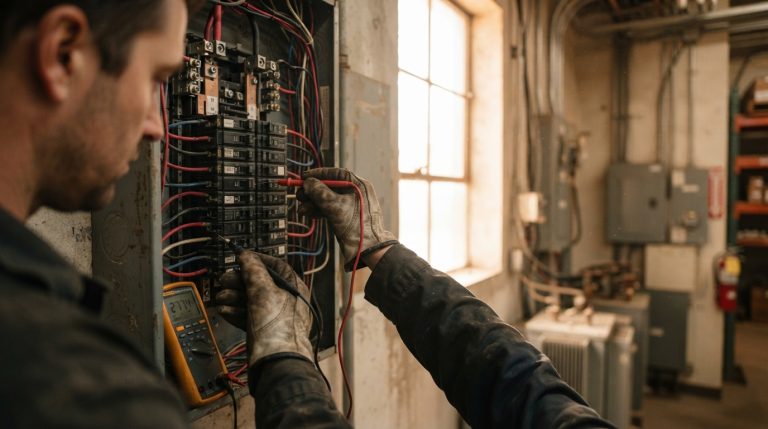
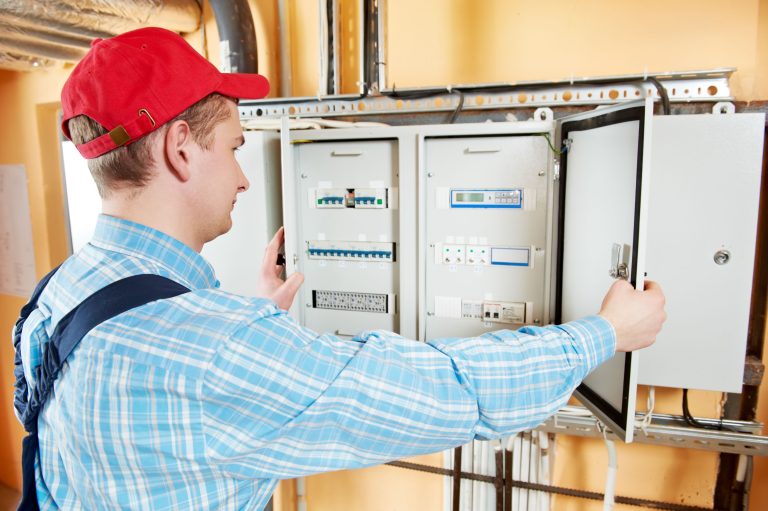
A Level 2 charger requires a dedicated circuit, and the size of that circuit depends on the charger’s rated output. A qualified electrician can assess the electrical panel, available capacity, wiring, grounding, and the distance from the panel to the parking location. This evaluation is important because the home may need electrical upgrades before the charger can be safely added.
Some homes have room in the panel for a new circuit; others may need a panel upgrade or a different approach to managing electrical loads. Your electrician can explain what is necessary and why. Avoid relying on a quick visual check or assuming that an unused breaker means the panel can support the additional demand. The condition and capacity of the full system matter.
Ask for an assessment before purchasing a charger if you are unsure what your home can support. That can help prevent a mismatch between the equipment you buy and the electrical work your property requires.
Plan the Location Carefully
The best spot for a charger is usually close to where you park, with enough cable length to reach the vehicle’s charging port without stretching the cord across a walkway. Consider whether you park in a garage, carport, or driveway, and whether the installation will need to pass through walls or other parts of the home.
For outdoor installations, the charger and its electrical components must be rated for the conditions where they will be placed. Plano weather can include heat, rain, and storms, so ask whether the proposed location and equipment are suitable for outdoor exposure. Think about drainage, sunlight, physical protection, and how the cable will be stored when it is not in use. A convenient location should also leave room to open car doors and move safely around the vehicle.
Check Permits, Codes, and Inspections
Electrical work must meet applicable safety codes, and a permit or inspection may be required depending on the scope of the project and local rules. Ask your installer who will confirm the requirements, obtain any necessary permits, and arrange inspections. Clear responsibility can help prevent delays and ensure the work is documented properly.
A professional installation should include appropriately sized wiring and overcurrent protection, secure mounting, and correct connections. Do not use extension cords or adaptors as a substitute for a properly installed circuit. If you are considering a hardwired charger or a plug-in unit, ask how each option affects installation, maintenance, and future replacement.
Understand the Project Cost and Timeline
The total price depends on more than the charger itself. Factors can include the circuit and wiring needed, the distance from the panel, wall or trench work, panel upgrades, permit fees, and any required repairs. Request a written estimate that separates equipment from labor and describes the planned work. Ask whether the estimate includes permitting and inspection, and how additional work would be approved if it becomes necessary.
Scheduling can also depend on equipment availability, permit processing, and the complexity of the electrical work. Share details about your parking area and electrical panel early, and ask what you should do to prepare for the appointment.
Prepare for a Safe, Practical Setup
Before installation, gather the charger’s specifications and your vehicle’s charging information. Decide where you want the unit mounted, clear access to the electrical panel and parking area, and tell the electrician about any planned home renovations or future vehicle purchases. Once the work is complete, ask for an explanation of the controls, safety features, and recommended maintenance.
A successful home charging setup starts with choosing equipment that suits your routine and confirming that your electrical system can support it. Careful placement, code-compliant work, and a clear estimate can help you avoid surprises and make daily charging easier. Before setup, have the home evaluated, verify permit requirements, and discuss the full scope of work with a qualified electrician.