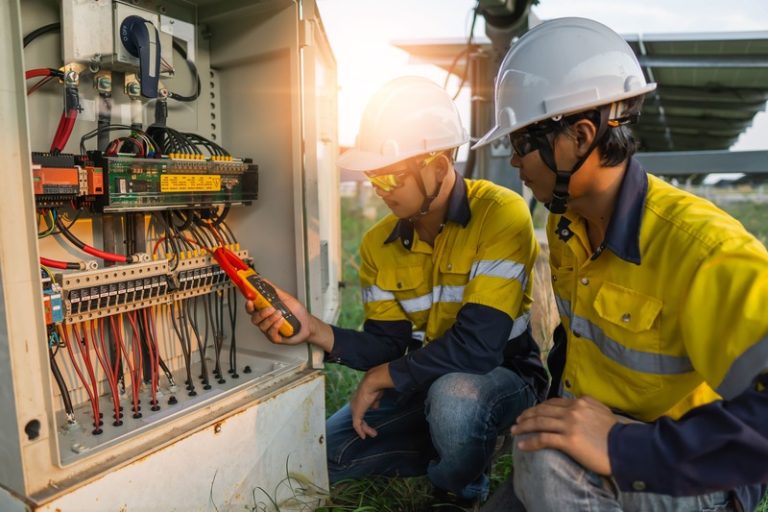
A residential electrician inspects, repairs, and upgrades home wiring, panels, and fixtures to reduce fire and shock risks.
Older housing stock in St. Louis, MO often requires panel upgrades, rewiring, or code corrections to meet current safety standards.
Licensed electricians follow structured on-site processes, from diagnosis to inspection, to confirm work meets code.
A residential electrician identifies and corrects wiring, panel, and circuit hazards inside a home, work that directly affects fire risk, shock exposure, and code compliance. This role matters most in homes with aging electrical systems, where outdated components no longer match modern power demands.
A Residential Electrician evaluates a home’s existing wiring, breaker panel, and fixtures to determine whether the system can safely handle current electrical loads. Many homes in St. Louis, MO were built decades ago, and their original wiring was never designed for the number of devices, appliances, and HVAC systems common in households today. Outdated materials such as aluminum wiring or older fuse-style panels can create measurable safety gaps that only a licensed professional can properly diagnose.
Why Home Electrical Systems Need Regular Attention
Electrical systems degrade gradually, which makes problems easy to miss until a failure occurs.
Insulation on older wiring can crack or thin over time, increasing exposure risk.
Overloaded circuits from added appliances can trip breakers repeatedly or overheat.
Outdated panels, including some older brands no longer considered safe by current standards, may fail to trip during a fault.
According to OSHA’s electrical safety guidance, electrical hazards can cause burns, shocks, and electrocution, which is why faulty home wiring should be addressed by a qualified person rather than left unaddressed. Routine inspection helps catch these issues before they become emergencies.
Core Services That Support Residential Safety
Residential electrical work covers more than emergency repairs. The scope typically includes several interconnected services that work together to keep a home’s system current and code-compliant.
Service Area
What It Addresses
Typical Trigger
Panel upgrades
Replacing outdated or undersized breaker panels
Frequent tripped breakers, old fuse boxes
Rewiring
Correcting aluminum wiring or deteriorated circuits
Home age, renovation, insurance requirements
Lighting installation
Adding or updating fixtures and recessed lighting
Remodels, outdated lighting layouts
Storm or water damage repair
Restoring circuits after moisture or power surges
Weather events, flooding
These categories reflect the general structure of residential electrical work performed on homes with varying ages and system conditions, particularly in neighborhoods with older housing stock.
What Happens During a Typical Service Visit
A residential electrical visit generally follows a consistent sequence, regardless of the specific issue being addressed.
Initial assessment – The electrician reviews the reported issue and inspects relevant wiring, outlets, or panels.
Diagnosis – Testing identifies whether the problem stems from a single component or a broader system limitation.
On-site work – Repairs, replacements, or upgrades are completed, often within a single visit for smaller jobs.
Final check – Circuits are tested again to confirm the fix resolved the issue and meets applicable code.
This structure applies whether the task is a minor outlet repair or a full panel replacement, since each step confirms the system is safe before the visit ends.
Business Information
Based in USA, Fielder Electrical Services, Inc. serves customers across St. Louis, MO, focusing on residential electrical work such as panel upgrades, rewiring, and lighting-related repairs for homes in the area.
Frequently Asked Questions
How often should a home’s electrical panel be inspected? Most homes benefit from a panel inspection every few years, or sooner if breakers trip frequently, lights flicker, or the home was built with outdated panel brands.
Is rewiring always necessary in an older home? Not always. Some homes only need targeted repairs or a panel upgrade, while others with extensive aluminum wiring or deteriorated insulation may require broader rewiring.
Can storm damage affect home wiring even if the power stays on? Yes. Power surges and moisture intrusion from storms can damage circuits internally without an immediate, visible loss of power, making a post-storm inspection worthwhile.
What signs indicate an electrical issue needs professional attention? Warm outlets, burning odors, repeated breaker trips, and flickering lights are signs that warrant evaluation rather than a do-it-yourself fix.
Local Considerations for St. Louis Homes
Housing stock in St. Louis, MO spans a wide range of construction eras, which means electrical systems vary significantly from one property to the next. Seasonal storms and humidity in the region can also stress aging wiring and outdoor-connected circuits, making periodic checks a practical part of home maintenance rather than an optional step.
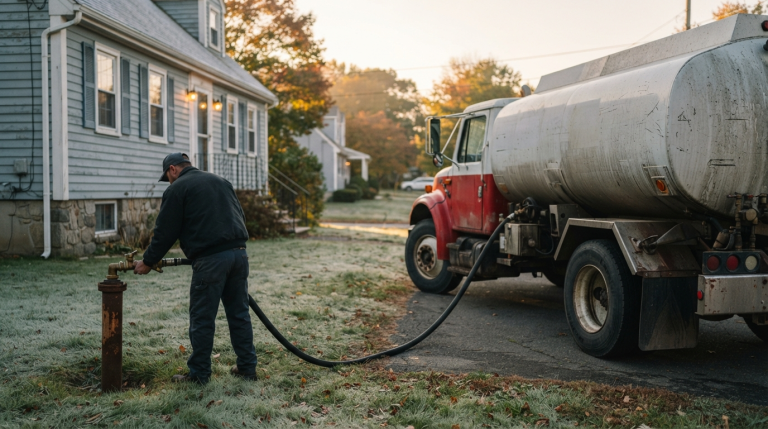
Short answer: Homeowners in Acton searching for dependable fuel service want to know how delivery scheduling works, what separates automatic programs from on-demand orders, and whether the company behind the truck can also handle...
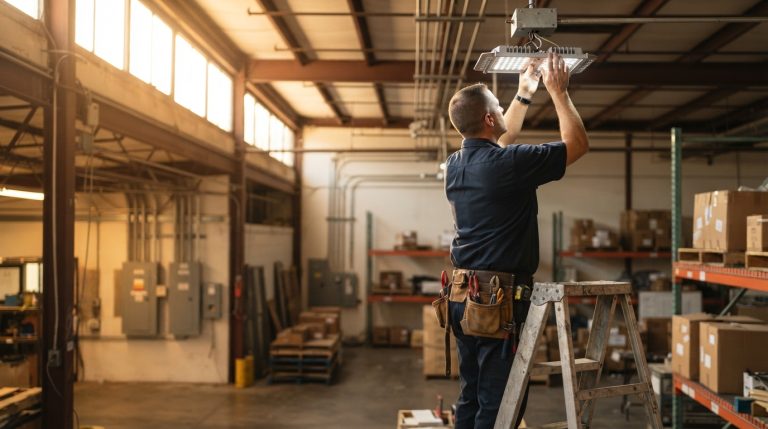
Quick take: Business owners looking to modernize their property lighting usually face three problems at once: outdated fixtures that waste energy, dim or uneven lighting that creates safety risks, and the need to meet...
Upgrading an office space in Las Vegas involves more than just new furniture or fresh paint. Electrical systems play a crucial role in ensuring a modern, safe, and efficient work environment. When business owners...