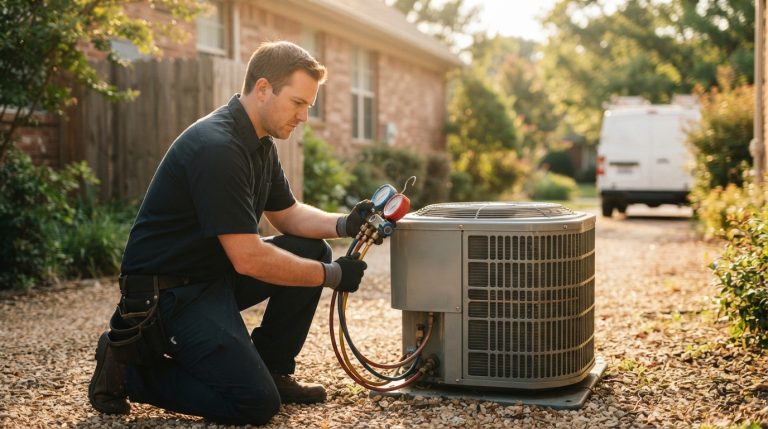
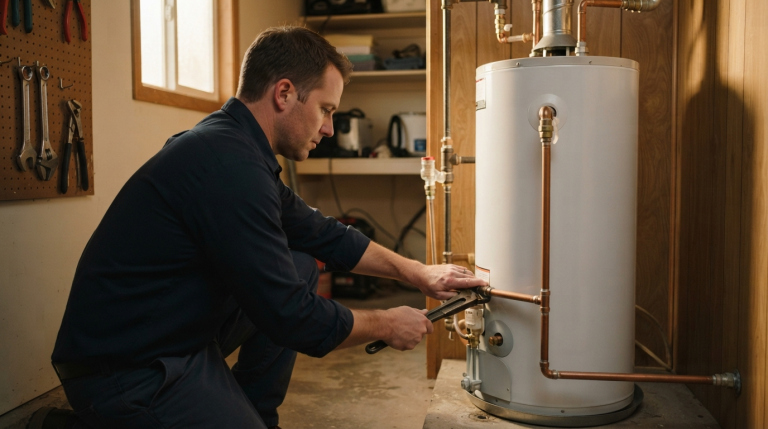
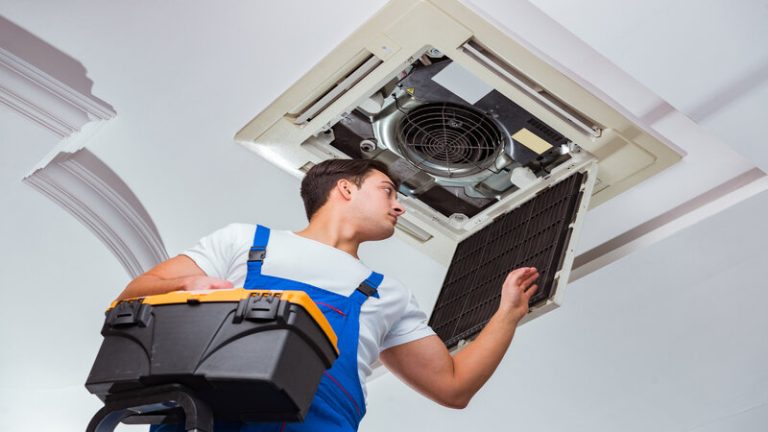
A qualified residential heating contractor should carry proper licensing, insurance, and manufacturer-specific training before any system inspection or repair begins.
Homeowners in Knoxville, TN should compare at least two or three written estimates and confirm warranty terms before signing a service agreement.
Seasonal maintenance, system age, and local climate patterns all affect whether repair or replacement is the more practical choice.
Selecting a qualified heating technician comes down to verifying credentials, comparing written estimates, and confirming the contractor services the specific furnace or heat pump type installed in the home. When choosing a Residential Heating Contractor in Knoxville, TN, homeowners should prioritize licensed and insured professionals with documented experience working with their existing heating equipment brand. Verifying these qualifications beforehand can help prevent repeated service calls, unexpected expenses, and potential warranty issues down the road.
Heating systems in East Tennessee homes work through a mix of cold winter mornings and humid shoulder seasons, which puts extra strain on components like heat exchangers and blower motors. A system that is not properly sized or maintained for this climate pattern tends to short-cycle or lose efficiency faster than expected.
What Qualifications Matter Most
Not every technician who advertises heating repair holds the same level of training or legal authorization. Before scheduling a service call, homeowners should confirm a few baseline credentials.
State-issued HVAC contractor license, verifiable through the Tennessee Board for Licensing Contractors.
General liability and workers compensation insurance covering in-home work.
Manufacturer certification for the specific furnace, heat pump, or boiler brand installed.
A documented warranty policy covering both labor and parts after installation or repair.
The U.S. Department of Energy notes that routine maintenance and proper system sizing directly affect heating efficiency and household energy costs, which makes contractor qualifications a practical cost consideration rather than just a formality. Homeowners can review general efficiency guidance through the Department of Energy’s heating and cooling resources.
Comparing Repair Versus Replacement
Age and repair frequency are the two clearest indicators of whether a heating system should be fixed or replaced. A unit under ten years old with a single malfunctioning part is usually a repair candidate, while older systems with recurring breakdowns often cost more to patch than to replace.
Factor
Repair Likely
Replacement Likely
System age
Under 10 years
Over 15 years
Repair frequency
First issue this season
Multiple repairs in two years
Efficiency rating
Matches current ENERGY STAR standards
Outdated or non-rated unit
Repair cost
Under 30 percent of replacement cost
Approaches or exceeds 50 percent
A contractor who inspects the full system, not just the failed component, can give homeowners in Knoxville, TN a more accurate picture of which category their equipment falls into.
Questions to Ask Before Hiring
A short conversation before booking a job can prevent most disputes about cost or workmanship later.
Is the written estimate itemized by labor, parts, and permit fees.
Does the quoted price include a post-installation inspection.
What specific warranty period applies to compressors, heat exchangers, or motors.
Can the contractor provide references from similar furnace or heat pump installations.
Homeowners should also ask whether the contractor pulls required permits, since unpermitted heating work can complicate home insurance claims or future resale inspections.
Seasonal Timing and Local Considerations
Scheduling matters as much as credentials. Technicians are typically less backlogged in early fall, before the first sustained cold snap drives up service call volume across the region. Waiting until mid-winter to replace an aging furnace often means longer wait times and fewer same-week installation slots.
Homeowners should also factor in how older housing stock common in parts of Knoxville, TN may require ductwork modifications alongside a new heating unit, which adds both cost and installation time.
Frequently Asked Questions
How often should a residential heating system be inspected? Most manufacturers recommend an annual inspection, ideally scheduled before the start of the heating season, to catch wear on belts, filters, and electrical connections.
What is a reasonable timeframe for a written estimate? A detailed, itemized estimate should typically be available within a few business days of an in-home evaluation, not just a phone quote.
Does a heating contractor need a separate permit for furnace replacement? In most jurisdictions, yes. Permit requirements vary locally, so homeowners should confirm this directly with the contractor before work begins.
Is a service agreement the same as a warranty? No. A service agreement typically covers routine maintenance visits, while a warranty covers defects or failures in specific parts or labor for a defined period.
Final Notes and Local Service Information
Based in USA, A-1 Finchum Heating & Cooling serves customers across Knoxville, TN.
At glance: • Most HVAC breakdowns trace back to dirty filters, refrigerant leaks, electrical faults, or aging components that need professional diagnosis. • Routine inspection and early repair typically cost less than emergency service...
Recap: Homeowners searching for water heater installation typically want to know how the process works, what it costs in time and effort, and whether a licensed professional is necessary. In most cases, a code-compliant...
Bottom line: • Warm air from vents, short cycling, water pooling near the unit, and musty odors are the clearest signals a cooling system needs prompt attention. • Ignoring these warning signs in Jacksonville,...