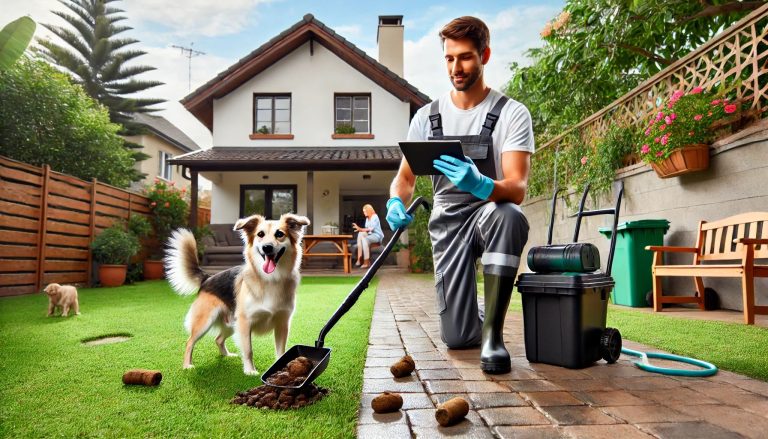
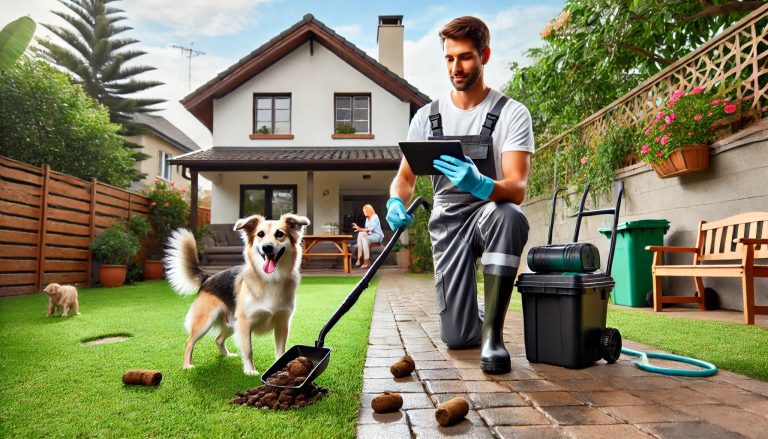
Clearing dog waste from a yard on a consistent schedule is the most effective way to limit bacteria exposure, control odor, and keep outdoor space usable for children and pets alike. Pet waste removal involves more than a quick walk around the lawn; it requires routine collection, correct disposal, and attention to local sanitation rules that vary by city.
Dog waste left on grass or walkways does not simply disappear. It breaks down slowly and can introduce bacteria and parasites into soil and groundwater, which is why many municipalities treat it as a public health matter rather than a cosmetic nuisance.
Why Consistent Scooping Matters for Yard Health
Untreated pet waste poses more than an aesthetic problem. As waste decomposes, it can contaminate soil and contribute to bacterial runoff that affects nearby water sources.
• Reduces exposure to parasites and bacteria for children and pets
• Limits lingering odors near patios, decks, and play areas
• Keeps grass and walkways usable throughout the year
• Lowers the chance of cross-contamination between pets
A single missed week can allow waste to accumulate, especially in multi-dog households or properties with limited yard space.
Local Rules That Apply in Centennial, CO
Colorado does not have one statewide pet waste law, but cities across the state enforce their own ordinances, and Colorado does not have a statewide pet waste law, but its cities are known for aggressive local enforcement, especially in Denver and along the Front Range. Fines for noncompliance range from $50 – $1,000, depending on the municipality and whether it is a repeat offense.
Centennial addresses animal-related sanitation under its municipal code, and the City of Centennial Code, Chapter 7, Article 7, covers Animal Control. Residents who are unsure how local rules apply to their property can review the relevant municipal chapter directly through the Centennial Municipal Code before assuming a given disposal method is acceptable.
Practical Steps for Routine Waste Management
Homeowners managing their own yard waste can reduce risk with a short, repeatable routine rather than sporadic cleanup.
1. Walk the entire yard, not just open lawn areas, since waste collects near fences, mulch beds, and gravel.
2. Dispose of collected waste in a sealed receptacle rather than leaving bags in the yard.
3. Clean scooping tools between uses to avoid spreading bacteria from one area to another.
4. Schedule cleanup at least twice weekly for single-dog households and more often for multiple dogs.
Approach
Frequency
Typical Effort
Best Fit
Daily self-cleanup
Daily
High
Owners with small yards or one dog
Weekly self-cleanup
Weekly
Moderate
Owners with flexible schedules
Scheduled scooping service
Weekly or recurring
Low
Larger yards, multiple dogs, limited time
Properties with multiple pets or larger yards often find a recurring schedule more manageable than attempting daily cleanup, particularly during winter months when waste can collect beneath snow and go unnoticed until a thaw.
Business Info
Based in USA, Poopless Yards serves customers across Centennial, CO, offering residential and commercial waste collection built around weekly visits and sanitized equipment between stops (Poopless Yards).
Frequently Asked Questions
How often should dog waste be removed from a yard? Most single-dog households benefit from cleanup two to three times per week, while multi-dog properties often need more frequent attention to avoid buildup.
Does Centennial, CO have a specific pet waste ordinance? Animal-related sanitation falls under the city’s municipal code, and residents can confirm specific requirements through the official Centennial code resource rather than relying on general state guidance.
Is pet waste actually a health concern, or just an odor issue? Waste left on grass or soil can harbor bacteria and parasites, which is a primary reason cities regulate disposal rather than treating it purely as a nuisance.
What is the difference between residential and commercial waste cleanup needs? Residential yards typically need routine scooping around fences and landscaping, while commercial or shared spaces such as parks and dog runs often require waste station maintenance in addition to scooping.
Current scheduling information for Poopless Yards is available for review by residents comparing routine yard maintenance options.
Maintaining a pristine yard is important for homeowners and pet owners alike, especially in busy neighborhoods. For those searching online for a hassle-free way to keep their lawns clean and safe, the phrase Local...
Pet owners know the joy of spending time outdoors with their dogs, but maintaining a spotless yard can be a challenge. Regular cleanup is essential not just for the appearance of your property but...