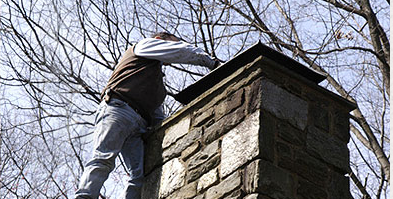
Annual inspection by a certified sweep helps catch problems before they require costly repair.
Repairs are typically scheduled by severity, with structural and leak-related issues addressed first.
A chimney repair service addresses structural damage, water intrusion, liner deterioration, and worn components such as caps, crowns, and flashing that keep a chimney safe and functional. Homeowners typically need this kind of work after a storm, a chimney fire, or years of weather exposure that go unaddressed.
A chimney repair service in Hudson, MA generally begins with an inspection to identify the scope of damage before any physical repair starts. Common findings include spalling brick, deteriorated mortar joints, cracked flue tiles, and rusted or missing dampers that no longer seal properly between uses.
Common Chimney Problems That Require Repair
Masonry chimneys face a specific set of wear patterns tied to moisture, temperature swings, and age. Recognizing these signs early can reduce the extent of repair work needed later.
Cracked or spalling bricks caused by freeze-thaw cycles and water absorption
Damaged or missing chimney caps that allow rain, snow, and animals into the flue
Deteriorated flashing where the chimney meets the roofline, a common source of leaks
Cracked or deteriorated flue liners that can allow heat or gases to escape toward combustible materials
Worn or rusted dampers that no longer close tightly
Several of these issues overlap with routine maintenance needs, which is why many repair visits also include cleaning or minor servicing of the same components.
Why Inspection Comes Before Repair
Chimney damage is not always visible from the ground, and some structural problems only become apparent during a hands-on inspection of the flue, liner, and firebox. Industry guidance from the Chimney Safety Institute of America notes that creosote buildup is a leading cause of chimney fires, making routine inspection a safety issue as much as a maintenance one.
A Level 1 inspection, the most common type, examines all readily accessible parts of the chimney for damage or buildup. More involved Level 2 inspections are generally recommended after a chimney fire, severe storm, or change in fuel type or appliance, since hidden cracks or liner damage are more likely in those situations.
What a Repair Visit Typically Involves
Repair Type
Typical Trigger
What the Work Involves
Brick and mortar repair
Spalling, cracked joints
Repointing or replacing damaged masonry units
Chimney cap replacement
Rust, dents, missing cap
Installing a new cap sized to the flue opening
Flashing repair
Roof leaks near the chimney
Removing and resealing flashing material
Liner repair
Cracked tiles, CO concerns
Repairing or relining the interior flue passage
Costs and timelines vary by the extent of damage, chimney height, and material, so an on-site estimate is the most reliable way to understand scope for a specific property.
Service Area Context for Hudson, MA
Older housing stock and seasonal freeze-thaw cycles common to Hudson, MA make masonry chimneys particularly prone to cracking and water intrusion during winter and early spring. Homes relying on wood stoves or fireplaces through colder months are also more likely to need liner inspection and cleaning before each heating season begins. Based in USA, Freitas Chimney Services of Hudson and Marlborough serves customers across Hudson, MA, responding to repair needs tied to these regional conditions.
Freitas Chimney Services of Hudson and Marlborough is a chimney care business whose listed services include chimney cleaning, masonry and brick repair, chimney cap replacement, flashing repair, liner repair, and damper repair or installation, according to its Google Business Profile.
Frequently Asked Questions
How do I know if my chimney needs repair instead of just cleaning? Visible cracks, water stains near the chimney, a damaged cap, or rust on the damper usually signal repair needs beyond routine cleaning, and a professional inspection can confirm the scope.
How often should a chimney be inspected? Annual inspection is the standard recommendation for active chimneys, regardless of how often the fireplace or stove is used.
Can a damaged flue liner be repaired without full chimney replacement? In many cases, yes. Liner repair or relining can address cracks or deterioration without requiring a full chimney rebuild, though severe structural damage may call for more extensive work.
What causes most chimney leaks? Deteriorated flashing at the roofline is one of the most common leak sources, along with missing or damaged chimney caps.
Routine attention to masonry condition, flue liners, and chimney caps helps homeowners avoid the larger structural repairs that come from years of deferred maintenance. Recognizing early warning signs and scheduling timely inspections remains the most practical way to manage chimney health through changing seasons.
A well-maintained fireplace brings warmth, comfort, and charm to any home, especially during the cooler months. However, regular care is essential to ensure your fireplace remains safe and functional over the years. Many homeowners...