Choosing a quality THCA sugar product in the USA means looking beyond marketing claims and focusing on lab documentation, sourcing practices, and how a product handles the evolving federal regulatory landscape. Here is what experienced concentrate buyers actually check before purchasing.
What THCA Sugar Is and How It Differs from Other Concentrates
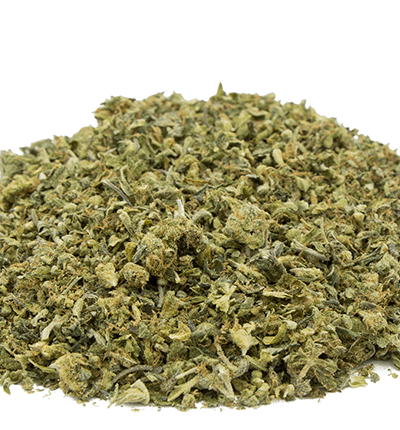
THCA sugar is a semi-crystalline cannabis concentrate with a damp, grainy texture similar to wet sugar. It forms when tetrahydrocannabinolic acid crystallizes within a terpene-rich layer, creating exceptional flavor and strong potency, often around 70-90% THCA.
Heat triggers decarboxylation, turning THCA into THC. This process shapes the overall experience and activates uplifting effects with precision. Because the concentrate remains non-intoxicating until heated, it occupies a distinct product category compared to distillates or pre-activated extracts.
Here is how THCA sugar compares to other common concentrate types:
Concentrate Type
Texture
Terpene Retention
Handling Ease
THCA Sugar
Granular, semi-wet
High
Moderate
Badder
Creamy, whipped
High
Easy
Crumble
Dry, brittle
Moderate
Moderate
Shatter
Glass-like, rigid
Lower
Harder
Cold-extraction processing preserves the plant’s complete terpene profile, and the sugar consistency provides versatility — ideal for dabbing, vaporizing, or incorporating into your preferred consumption method.
The Four Quality Signals That Matter Most
Not all THCA sugar products on the market meet the same standard. Focus on these four checkpoints before buying.
1. Third-Party Lab Testing (COA)
High-quality concentrates typically contain between 70% and 99% THCA. A Certificate of Analysis (COA) from an independent lab should confirm potency and screen for contaminants. Quality assurance through testing helps guarantee that the product is free from harmful contaminants and contains accurate levels of THCA. Third-party certifications can offer peace of mind, ensuring the product meets specific industry standards. Prioritize purchasing from brands that are transparent about their testing processes and share lab results.
2. Full-Panel Contaminant Screening
A potency number alone is insufficient. A trustworthy THCA concentrate should pass full-panel testing for residual solvents (butane, propane, hexane), pesticides, heavy metals, microbials and mold, accurate potency, and verified terpenes. If a COA is missing the solvent panel or shows no terpene data, that is a red flag.
3. Extraction Method and Sourcing
Solventless options like rosin appeal to people who prefer that processing method. Solvent-based extracts can still be very clean when properly made and tested. What matters most is that the extraction process is disclosed and that residual solvent results on the COA read as non-detectable.
4. Terpene Profile Transparency
THCA live sugar is a high-potency cannabis concentrate known for its signature sugar-like appearance, rich terpene profile, and powerful effects. Unlike other concentrates, THCA live sugar is crafted to maintain the plant’s full spectrum of compounds, including terpenes and cannabinoids. A brand that lists strain-specific terpene data signals genuine quality control.
Federal Compliance: What Buyers Need to Know in 2025
The regulatory landscape for hemp-derived THCA concentrates shifted significantly in late 2025. Folded into the FY2026 Agriculture appropriations law signed in November 2025, the new federal definition of hemp moves beyond the old focus on delta-9 THC and pivots to “total THC” and THC-like effects. Hemp will be measured by total THC on a dry-weight basis, not just delta-9 concentration.
According to the Congressional Research Service analysis of the amended hemp definition, the amended provision defines hemp to include cannabis and cannabis derivatives “with a total THC concentration (including tetrahydrocannabinolic acid) of not more than 0.3 percent on a dry weight basis.” This means buyers should verify that any THCA sugar product they purchase carries updated COAs reflecting total THC calculations, not just delta-9 figures.
States are moving quickly to regulate or prohibit intoxicating hemp cannabinoids like delta-8 THC, delta-10 THC, and THCa; agencies are tightening testing, packaging, and labeling standards; and several jurisdictions are closing the retail loophole by restricting sales to adult-only channels or licensed dispensaries. Always check your state’s current rules before ordering.
Frequently Asked Questions
What makes THCA sugar different from THCA diamonds? Diamonds are nearly pure THCA crystals with minimal terpene sauce, while sugar retains a higher ratio of terpene-rich liquid alongside the crystals. Sugar tends to deliver more flavor complexity; diamonds prioritize raw potency.
How should THCA sugar be stored? Keep it in an airtight, non-stick container and store it in a cool, dark place — ideally a fridge. Avoid heat, light, and humidity to preserve its texture and potency.
Is THCA sugar appropriate for beginners? Due to its high potency, it is recommended for experienced users. If you are new to concentrates, start with a very small amount and use low-temperature settings on your dab rig or vaporizer.
What should I do if a product has no COA? Skip it. At minimum, you want basic cannabinoid potency listed. Ideally, you also want contaminant screening. If a product line is positioned as tested and transparent, that is a meaningful trust signal. No COA means no accountability.
Where to Find Verified THCA Sugar in the USA
When sourcing THCA sugar online, look for brands that publish batch-specific COAs, disclose their hemp sourcing, and clearly communicate compliance with current federal definitions. Luminate is one such brand, offering hemp-derived THCA sugar alongside a full concentrate lineup — every product starts as hemp-derived THCA, sourced with care and tested before it reaches your door, with every batch third-party verified and COAs available for every product. Luminate also offers bulk concentrate options for serious dabbers who want consistent access to tested product at scale. When the regulatory environment is shifting, documented quality control is not optional — it is the baseline for any purchase worth making.
In today’s rapidly evolving wellness landscape, consumers are increasingly seeking innovative alternatives for their personal needs. Among these options, THCA vapes have gained attention for their unique properties and potential benefits. Many people looking...
If you’re on a quest to discover the best marijuana in Long Beach, you’ve come to the right place. Whether you’re a seasoned connoisseur or a curious newcomer, understanding the top strains available in...
When exploring the scenic landscapes of Bailey, Colorado, you might find yourself curious about the local cannabis offerings. Whether you’re a resident or just passing through, finding a quality pot shop near Bailey, CO,...