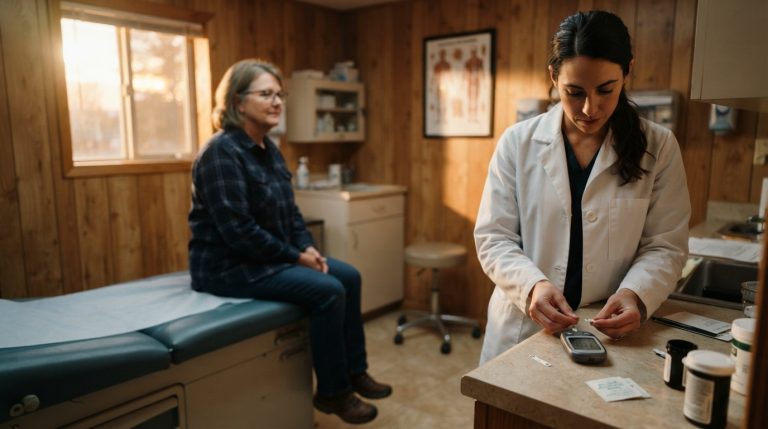
• A neurological recovery center provides interdisciplinary therapy after stroke, traumatic brain injury, or other neurological conditions.
• Core services typically include physical therapy, occupational therapy, speech-language pathology, and neuropsychology.
• Facilities in TideWay and similar service areas are often evaluated by accreditation status, program depth, and the ability to coordinate care across disciplines.
Choosing a neurological recovery center means evaluating whether a facility offers coordinated, interdisciplinary therapy tailored to brain injury, stroke, or other neurological conditions rather than a single isolated service. The right choice depends on verified program depth, accreditation, and how closely treatment planning matches a patient’s specific recovery stage.
A Neurological Recovery Center generally brings together several clinical disciplines under one roof so that cognitive, physical, and communication needs are addressed in parallel rather than through separate, disconnected referrals. This matters because recovery after a brain injury or stroke rarely follows a single track. Patients often need physical therapy for mobility, occupational therapy for daily living skills, and speech-language support simultaneously, which is why interdisciplinary coordination is one of the clearest markers of a well-structured program.
What Services Define a Strong Recovery Program
Verified program listings from neurorehabilitation providers show that a comprehensive center typically includes the following components:
• Physical therapy focused on mobility, strength, and balance retraining
• Occupational therapy to rebuild independence in daily tasks
• Speech-language pathology for communication and swallowing function
• Neuropsychology and counseling for cognitive testing and emotional support
• Community integration programming to support re-entry into daily life
These categories appear consistently across licensed brain injury rehabilitation providers, reflecting a widely accepted interdisciplinary model rather than a single-service approach.
Accreditation and Clinical Standards to Check
Accreditation from the Commission on Accreditation of Rehabilitation Facilities (CARF) is one of the most concrete ways to confirm a program meets recognized clinical benchmarks. Facilities with CARF-accredited brain injury specialty programs have demonstrated structured outcomes tracking and interdisciplinary staffing models reviewed on a multi-year cycle. According to the CDC’s stroke data summary, stroke remains a leading cause of long-term disability in the United States, which underscores why structured, accredited rehabilitation pathways matter for functional recovery.
Ongoing therapy after discharge or for milder injuries
Community integration
Transitional setting
Rebuilding independence for daily community life
Families comparing options in TideWay often weigh how a program balances these settings against a patient’s current functional level and long-term goals.
Questions to Ask Before Choosing a Facility
Before committing to a program, it helps to ask direct questions about the clinical approach:
1. Is the brain injury or stroke program CARF-accredited, and for which age groups.
2. Which disciplines are involved in the treatment team, and how often do they coordinate.
3. Does the facility offer both residential and outpatient pathways as recovery progresses.
4. What technology or equipment supports mobility and cognitive retraining.
Clear answers to these questions can reveal whether a center’s stated services match its day-to-day clinical practice.
Frequently Asked Questions
What conditions does a neurological recovery center typically treat? Programs of this kind generally serve adults recovering from traumatic brain injury, stroke, and other acquired neurological conditions requiring coordinated therapy.
How is a residential program different from outpatient care? Residential programs provide intensive, live-in therapy immediately following injury, while outpatient care supports ongoing recovery once a patient can manage daily life outside a clinical setting.
Why does accreditation matter when choosing a facility? CARF accreditation confirms that a program has been independently reviewed against clinical and safety standards specific to brain injury rehabilitation.
Are family support services part of neurological recovery programs? Many interdisciplinary programs extend support to family members through education and accommodations during the patient’s treatment period, based on published program descriptions.
Choosing a recovery program is a clinical decision best grounded in verified accreditation and documented service scope rather than general reputation alone. Published program information for Moody neurorehabilitation institute at space center outlines the interdisciplinary therapies available for adults with acquired brain injury.
Summary first: Managing diabetes well starts with regular monitoring, a personalized care plan, and a primary care provider who knows your health history. For residents searching for support with Diabetes in Libby, MT, the...
Simply put: • A functional medicine doctor investigates the root causes of symptoms rather than treating isolated complaints, using detailed health history and personalized plans. • Look for providers who combine lab-based assessment with...
Anal warts are growths that develop around or inside the anus, while anal dysplasia refers to abnormal cellular changes in anal tissue that may not be visible without further examination. Although both can be...