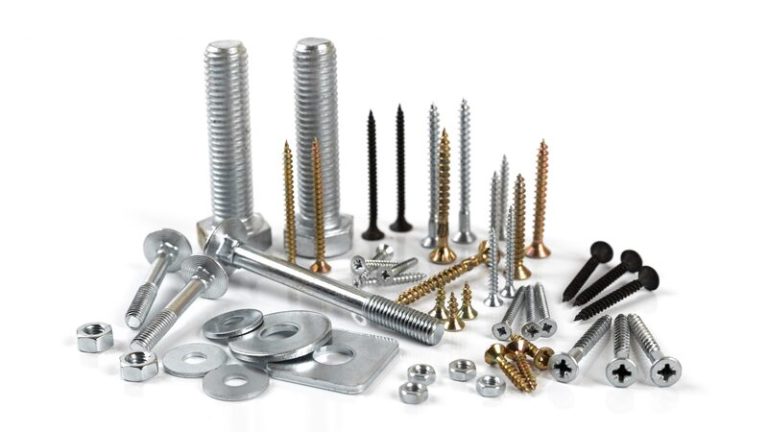
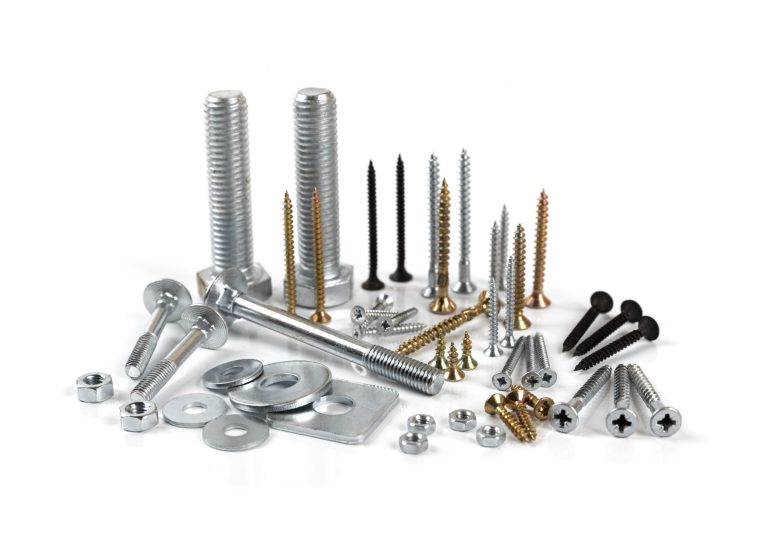
If your products or parts require metric fasteners, you can spend a lot of money if you have the need to mass-produce and assemble things. There are several types of threads and heads, and each one comes with a specific advantage. Here is important information about bolts to help you get a better understanding of the subject.
Which is the Best Bolt to Use?
Hex head bolts are six-sided and can be standard or metric fasteners. You can drive them with a socket or wrench. If you want to keep the joint surface from getting damaged, you need to use a washer. This helps to distribute the force of the bolt more evenly than using a nut with no washer. This is the reason some washers have a larger diameter than others.
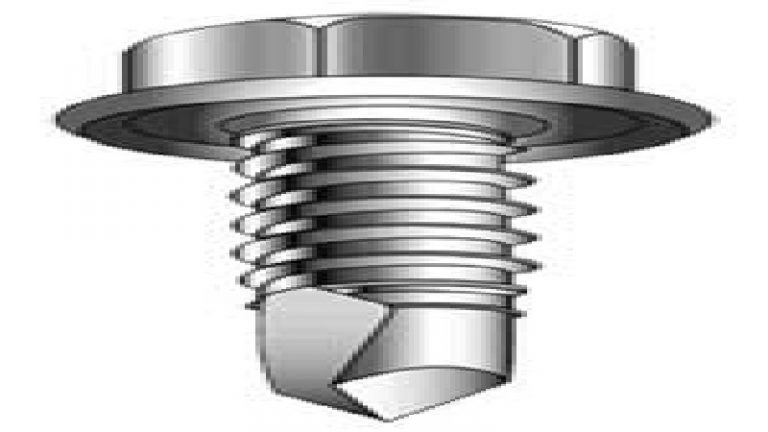
Flange bolts have a round flange underneath the bolt head. The flange acts as a washer when you tighten them down. As a result, washers are not needed. By not using washers, you can lower your materials costs and save on labor. When disassembling things, it is easy to set a washer down and lose it, and this does not happen with flange bolts.
Threads
Did you ever notice some bolts have threads on the entire shaft while others only have partial threads? When selecting threaded metric fasteners, you should pay attention to the amount of threads on each bolt. The bare part of a partially threaded bolt is called the grip area.
If you need bolted applications which resist breaking off or loosening, you should consider fully threaded bolts. They have a tighter grip because the entire bolt shaft is threaded.
Partially threaded bolts are highly resistant to shear and cracking. To make sure you choose the right metric fasteners, contact your industrial supplier.