• Reliable US Battery performance depends on correct voltage, amperage, and battery type matched to the vehicle, along with regular testing and clean terminal connections.
• Heat, short-trip driving, and long idle periods common in Southern California can shorten battery life faster than in milder climates.
• Free testing and professional installation help confirm whether a battery issue is due to age, charging problems, or a failing component.
A dependable vehicle battery holds a steady charge, delivers consistent starting power in both hot and cold conditions, and resists the internal wear that leads to early failure. For drivers comparing options, understanding what separates a long-lasting battery from one prone to early failure starts with matching the right battery category to the vehicle and its actual usage pattern.
US Battery products, including lithium, flooded deep-cycle, and AGM configurations, are built for different demands, and selecting the wrong type for a given vehicle or application is one of the most common reasons batteries underperform. Automotive, marine, RV, golf cart, and powersports batteries each draw and recharge differently, so matching chemistry and capacity to the intended use has a direct bearing on service life.
What Determines How Long a Battery Lasts
Several measurable factors influence whether a battery reaches its expected lifespan or fails prematurely.
• Voltage and amperage match: A battery rated below a vehicle’s electrical demand will struggle during cold starts and accessory use.
• Charge cycles: Deep-cycle batteries, such as those used in golf carts or marine equipment, are designed for repeated full discharges; standard starting batteries are not.
• Terminal condition: Corroded or loose connections create resistance that strains the battery and reduces available power.
• Ambient temperature exposure: Heat accelerates the internal chemical reactions that degrade battery components over time.
Routine checks are part of standard vehicle upkeep. The National Highway Traffic Safety Administration notes that “tune-ups, oil changes, battery checks, and tire rotations go a long way toward preventing breakdowns,” a point especially relevant before periods of heavy seasonal driving.
Why Climate and Driving Habits Matter in San Diego, CA
Battery wear is not uniform across regions. Conditions specific to San Diego, CA create particular stress points for both starting and deep-cycle batteries.
• Sustained heat accelerates fluid evaporation in flooded lead-acid batteries and speeds internal corrosion.
• Coastal humidity and salt air can contribute to terminal corrosion on vehicles stored near the water.
• Short commutes common in dense suburban areas may not allow a full recharge cycle, leaving the battery chronically undercharged.
• Seasonal boating, RV travel, and golf cart use in the region put additional demand on deep-cycle and marine battery types.
These conditions do not necessarily shorten battery life on their own, but combined with age or an undersized battery, they can bring on failure sooner than in milder climates.
Choosing Between Battery Types
The table below outlines general differences among common battery categories relevant to automotive, marine, and recreational use.
Battery Type
Typical Use
Key Advantage
Consideration
Flooded Deep Cycle
RV, marine, golf cart
Lower upfront cost
Requires periodic fluid checks
AGM
Automotive, powersports
Maintenance-free, vibration resistant
Higher purchase price
Lithium
Golf carts, specialty equipment
Lighter weight, more charge cycles
Higher initial investment
Selecting the correct type depends on how the vehicle or equipment is used, how often it sits idle, and the climate it operates in.
Signs a Battery Needs Testing or Replacement
Several warning signs typically precede a full battery failure.
1. Slow or hesitant engine cranking, especially in warm weather.
2. Dashboard warning lights related to the charging system.
3. Visible corrosion, swelling, or case cracking.
4. A battery older than three to five years that has not been tested recently.
Free testing can confirm whether symptoms point to the battery itself, the alternator, or a wiring issue before a replacement is purchased.
Based in Temecula, CA, American Battery Corporation serves customers across San Diego, CA with automotive, commercial, and recreational battery options, including lithium, flooded deep-cycle, and AGM US Battery products, along with free testing and installation support.
Frequently Asked Questions
How often should a car battery be tested? Most manufacturers and service providers recommend testing once a year, with additional checks before extreme heat or cold seasons.
Does battery brand matter as much as battery type? Matching the correct type and capacity to the vehicle generally matters more than brand alone, though established brands tend to have more consistent quality control.
Can a battery be too powerful for a vehicle? A battery with higher capacity than required will not damage a vehicle, but it adds unnecessary cost without improving performance if the electrical system does not demand it.
Is AGM always better than flooded lead-acid? AGM batteries offer maintenance-free operation and better vibration resistance, but flooded deep-cycle batteries remain a practical, lower-cost option for certain recreational and marine applications.
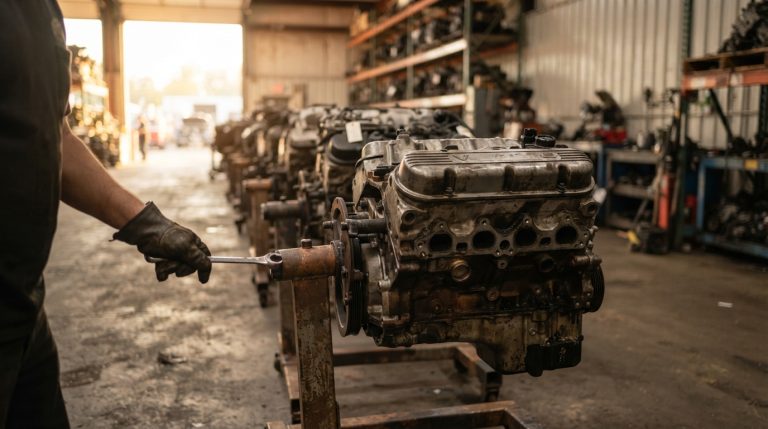
Takeaway: Finding a dependable used engine in West Chicago comes down to three checkpoints: verified mileage and condition history, a seller who actually tests inventory before selling it, and a straightforward way to confirm...
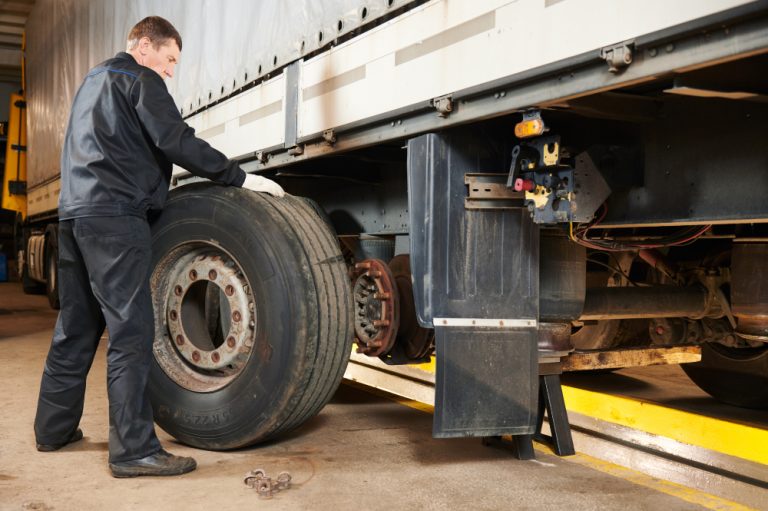
Ensuring the seamless operation of heavy trucks is crucial for businesses that depend on timely deliveries and efficient logistics. Any unexpected breakdown or maintenance issue can lead to costly delays and potential safety hazards....
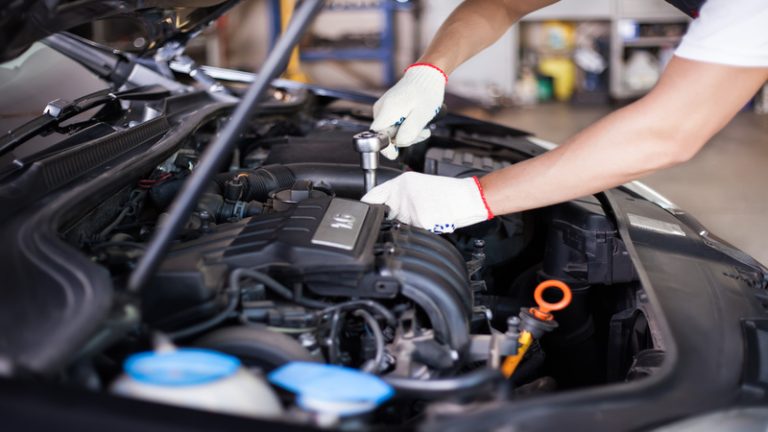
Vehicle maintenance can often feel overwhelming, especially when replacement parts are expensive. Many car owners in the Erie area are searching for practical ways to keep their vehicles running smoothly without breaking the bank....