Routine drain cleaning removes grease, soap scum, and debris buildup before it causes slow drains or backups.
Scheduled maintenance costs less than emergency repairs tied to burst pipes or sewer backups.
Homes in Hilliard, OH with older plumbing or mature trees benefit from periodic inspection to catch root intrusion early.
Routine drain cleaning clears accumulated debris, grease, and mineral buildup from pipes before they cause slow drainage, odors, or backups. Scheduling this maintenance on a regular basis helps homeowners avoid the higher costs and property damage associated with emergency plumbing repairs.
Many homeowners only think about their pipes when water stops moving. Residential Drain Cleaning performed on a set schedule addresses the slow, invisible buildup that happens long before a clog becomes obvious. Grease, hair, soap residue, and mineral deposits accumulate gradually along pipe walls, narrowing the passage available for wastewater.
Left unaddressed, this buildup restricts flow and creates conditions where backups and pipe damage become more likely.
Why Buildup Happens Faster Than Most Homeowners Expect
Household plumbing systems handle a steady mix of substances that do not break down cleanly. Cooking grease solidifies as it cools, soap combines with minerals to form scum, and fibrous food waste catches on minor pipe imperfections.
Kitchen drains collect grease and food particles that harden over time
Bathroom drains trap hair and soap residue that bind together
Laundry drains carry lint and detergent buildup into shared pipe lines
Outdoor drains and sewer lines face root intrusion from nearby trees
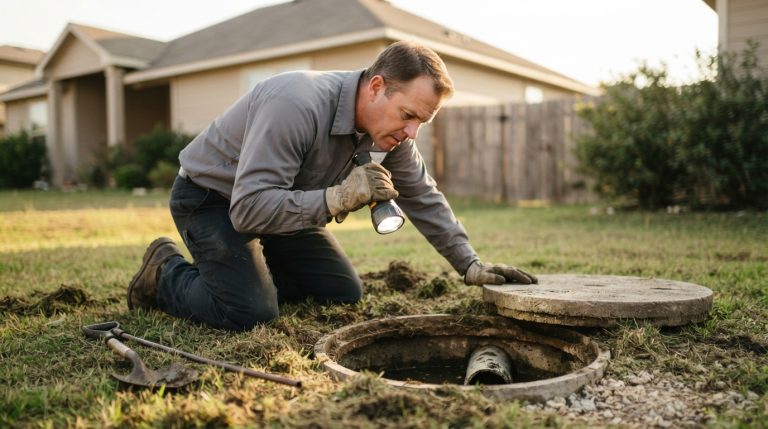
Homes in Hilliard, OH with mature landscaping face a particular risk from tree root intrusion into older clay or cast iron sewer lines. Roots seek out moisture and can infiltrate small cracks or joints, gradually restricting flow or causing structural damage to the pipe.
Comparing Reactive Repairs to Scheduled Maintenance
The difference between addressing a clog after it happens and preventing one through routine service shows up in both cost and convenience.
Factor
Reactive Emergency Repair
Routine Drain Cleaning
Timing
Occurs during a backup or failure
Scheduled in advance
Typical scope
May require pipe access or replacement
Limited to clearing existing buildup
Disruption
Often urgent, sometimes after hours
Planned around household schedule
Underlying buildup
Addressed only after a failure
Managed before it becomes severe
Scheduled service also allows a technician to inspect pipe condition and flag early signs of wear, corrosion, or root intrusion that a reactive call would not catch until after a failure. According to the EPA’s WaterSense program, household leaks and plumbing inefficiencies waste significant volumes of water annually, underscoring the value of maintaining plumbing systems in good working order.
Signs a Home May Need Attention Sooner
Certain warning signs indicate that a drain is already struggling, even if it has not fully backed up yet.
Water draining slower than usual in sinks, tubs, or showers
Gurgling sounds coming from drains or toilets
Persistent odors near sink or floor drains
Multiple fixtures backing up at the same time
Visible water pooling around floor drains during use
Noticing more than one of these signs at once often points to a developing blockage further down the line rather than an isolated fixture issue. Addressing the pattern early typically involves less disruption than waiting for a full stoppage.
Seasonal Considerations for Local Homes
Ohio winters bring freeze-thaw cycles that can affect underground pipes, particularly in older homes where pipe materials have degraded over decades of use. Fall is also a period when leaves and organic debris accumulate in outdoor drains and gutters connected to the plumbing system.
Scheduling an inspection before winter allows time to clear seasonal debris and confirm that pipes are functioning normally before temperatures drop. Spring follow-up checks can catch any issues that developed during the colder months, particularly around foundation drains and sewer lines affected by ground freeze and thaw.
Frequently Asked Questions
How often should residential drains be cleaned? Frequency depends on household size, pipe age, and usage patterns, though many plumbing professionals recommend an annual inspection as a baseline for most homes.
Can routine cleaning prevent sewer line backups? Regular maintenance reduces the buildup and root intrusion that commonly cause sewer backups, though it cannot eliminate every risk in older pipe systems.
Is drain cleaning different from sewer line service? Drain cleaning typically addresses individual fixture lines, while sewer line service covers the main line connecting a home to the municipal system or septic tank.
What should homeowners do between scheduled cleanings? Avoiding grease disposal down drains, using strainers to catch hair and food particles, and monitoring for slow drainage all help maintain flow between scheduled visits.
Scheduling Considerations for Local Homeowners
Based in Columbus, OH, CPR Drain Cleaning serves customers across Hilliard, OH.
Current scheduling information and service availability for Click Here are published for review.
Clean, great-tasting water is essential to every household, yet many homeowners don’t realize the hidden contaminants that can affect both health and the enjoyment of their daily water. In regions where water sources may...
In short: • Rising water bills, slow drains, and low water pressure often signal plumbing problems that worsen without repair. • Gas odors, sewage backups, and water heater failures are urgent issues that warrant...
Key takeaway: • Slow drains, gurgling pipes, sewage odors, and soggy yard patches are the clearest signals a septic tank needs urgent attention. • Delaying repairs raises the risk of sewage backups and groundwater...