Natural diamonds remain a top choice for engagement rings due to their rarity, durability, and long-term resale and sentimental value compared to lab-grown alternatives.
Buyers evaluating natural diamonds typically weigh the 4Cs (cut, color, clarity, carat) alongside certification from an independent grading lab.
Local jewelers offer in-person comparison, custom setting options, and guidance that online-only retailers cannot replicate.
Natural diamond engagement rings continue to attract buyers who want a stone formed over billions of years rather than one grown in a laboratory in a matter of weeks. The appeal centers on rarity, geological origin, and a long tradition of symbolic meaning tied to commitment and permanence.
Shoppers researching natural diamond engagement rings often compare them against lab-grown options before making a final decision, and that comparison typically influences both budget and long-term value expectations. Mati Jewelry works with clients navigating these choices, offering a point of reference for understanding how natural stones are sourced, graded, and set into finished pieces. The decision usually comes down to what a buyer values most: scarcity and resale potential, or a lower upfront price point.
Why Natural Diamonds Still Hold Appeal
A natural diamond forms under intense heat and pressure deep within the earth over an extended geological timeframe, a process that cannot be replicated instantly. This origin story contributes to the stone’s perceived rarity and its role as a lasting symbol in engagement traditions.
Each natural diamond has a unique formation history, making no two stones truly identical.
Natural diamonds have historically retained resale and trade-in value better than synthetic alternatives, according to industry pricing trends.
The geological rarity of natural stones supports their continued use in heirloom and generational jewelry.
Natural vs Lab-Grown: A Practical Comparison
Buyers often ask how natural diamonds differ from lab-grown stones beyond price. The table below outlines common distinctions based on sourcing and market behavior.
Factor
Natural Diamond
Lab-Grown Diamond
Origin
Formed naturally over geologic time
Created in a controlled lab environment
Typical Resale Value
Generally holds value better over time
Tends to depreciate faster
Rarity
Limited by natural supply
Can be produced on demand
Certification
Graded by independent gemological labs
Also certified, but graded separately
Grading standards for both types rely on independent laboratory evaluation. The Gemological Institute of America maintains widely recognized grading criteria covering cut, color, clarity, and carat weight, which buyers can use to compare stones objectively regardless of where they shop.
What to Evaluate Before Buying
Selecting a natural diamond engagement ring involves more than picking a shape. A few practical steps can help buyers avoid overpaying or misunderstanding what they are purchasing.
Request grading certification from an accredited lab rather than relying on a jeweler’s in-house assessment alone.
Compare cut quality across multiple stones, since cut affects brightness more than carat size in many cases.
Ask about the setting metal and whether resizing or future maintenance is included.
Confirm whether the diamond is accompanied by a laser inscription matching its certificate number.
These steps apply whether a buyer is working with a large retailer or a smaller, independent jeweler, and they remain consistent across the United States, where diamond grading standards are generally aligned with international gemological practices.
Working With a Local Jeweler
In-person consultation allows buyers to view stones under consistent lighting and compare settings side by side, something online photos cannot fully replicate. A jeweler can also walk through certification documents and explain how carat weight interacts with cut and clarity for a specific stone.
Business Info: Visit Mati Jewelry is listed on Google Business Profile with published location and contact details for buyers in the USA researching natural diamond options in person.
Frequently Asked Questions
Are natural diamonds more valuable than lab-grown diamonds? Natural diamonds have generally retained resale value better than lab-grown stones, largely due to their limited geological supply compared to diamonds produced on demand in a lab setting.
How can a buyer verify a diamond is natural and not lab-grown? Independent grading reports from accredited gemological labs typically specify whether a stone is natural or lab-grown, and many natural diamonds include a laser inscription matching the certificate.
Does carat size matter more than cut quality? Cut quality often has a greater effect on a diamond’s visual brilliance than carat size alone, so many buyers prioritize cut grade before increasing carat weight.
Is it necessary to buy an engagement ring in person rather than online? In-person shopping allows direct comparison of stones under consistent lighting and hands-on evaluation of settings, which online listings cannot fully replicate.
Final Notes
Readers comparing natural diamond engagement rings against other options can Visit Mati Jewelry for published location and contact details relevant to in-person evaluation.
• Selling antique jewelry in Manhattan requires choosing a buyer with verified expertise, a transparent appraisal process, and a clear payment method. • Knowing what separates buyer types — and what to prepare before...
Snapshot: • Most jewelry damage — from broken chains to loose stones — can be professionally repaired rather than replaced. • Local in-house repair shops in Greenville handle everything from ring resizing to stone...
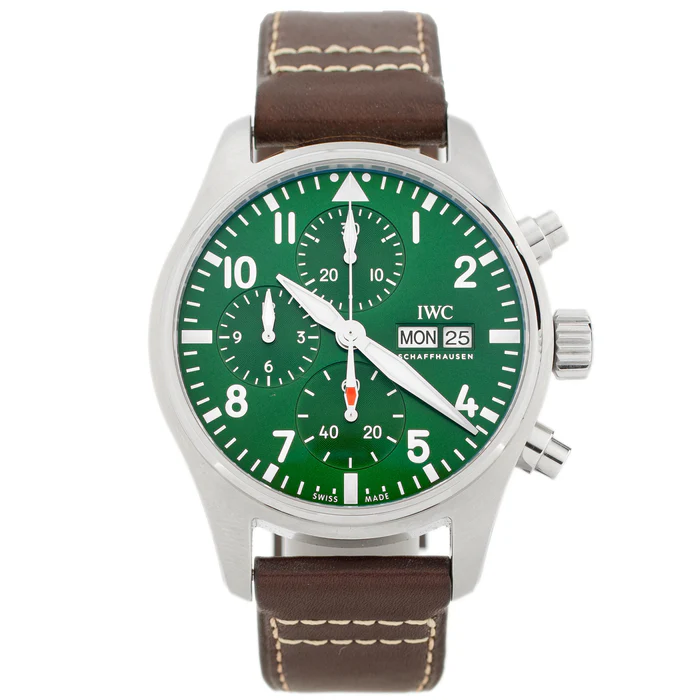
For many American collectors, the quest for the perfect timepiece goes beyond simply telling time. Watches have become symbols of personal style, heritage, and craftsmanship. In recent years, the market has seen a surge...