• Area rugs need fiber-specific care; wool, synthetic, and natural-fiber rugs each respond differently to water and cleaning agents.
• Professional area rug cleaning uses controlled moisture and drying methods to avoid shrinking, color bleed, or mold growth.
• Anchorage, AK households face added humidity and moisture challenges that make correct drying time especially important.
Area rugs can be cleaned safely at home between professional visits, but the method has to match the fiber type, and drying time matters as much as the cleaning solution used. Getting either step wrong is the most common reason rugs shrink, fade, or develop mold underneath.
Most lasting rug damage traces back to two mistakes: using hot water on a fiber that cannot tolerate it, and leaving a rug damp for too long after cleaning. Area Rug Cleaning done correctly starts with identifying the rug’s construction before any liquid touches the surface. Wool rugs, for example, felt and shrink when exposed to hot water or aggressive scrubbing, while synthetic fibers such as polyester or nylon tolerate wet cleaning far better.
Identify the Fiber Before Cleaning Anything
Reading the care tag is the first step, since it typically includes a cleaning code that indicates whether the rug can be wet-cleaned, dry-cleaned, or vacuumed only.
• Wool : requires cold water and a neutral pH cleaner; hot water causes shrinkage and felting.
• Synthetic (polyester, nylon, polypropylene) : generally handles vacuuming and wet cleaning without issue.
• Jute or sisal : should be cleaned dry only, since these plant fibers absorb water and can warp, discolor, or support mold growth.
A hidden-area dye test with a damp white cloth before any wet cleaning step can reveal whether colors will bleed, which is a detail worth checking regardless of fiber type.
Vacuum and Rotate on a Regular Schedule
Routine maintenance reduces how often deep cleaning is needed and limits fiber wear from trapped grit.
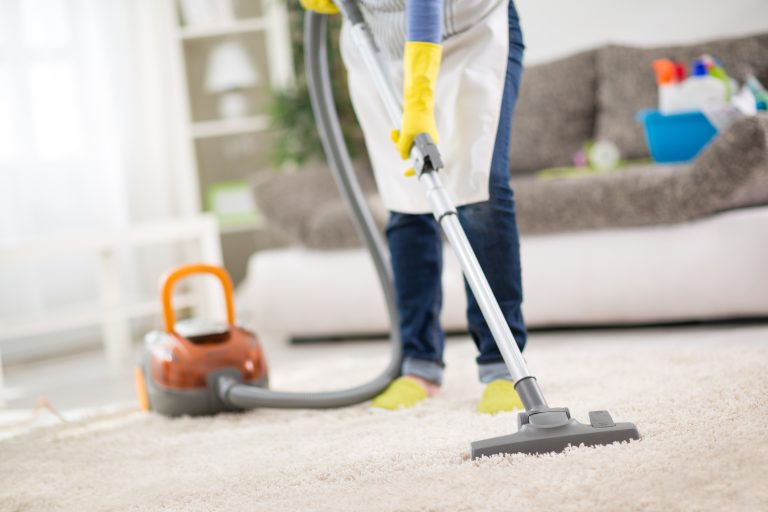
1. Vacuum both sides of the rug weekly, more often in high-traffic rooms, since embedded grit cuts into fibers from the inside.
2. Rotate the rug every three to six months for even wear and fading.
3. Blot spills immediately with a barely damp cloth rather than letting them set.
The Carpet and Rug Institute is a commonly cited trade source for fiber care and cleaning frequency standards used across the rug cleaning industry.
Control Moisture and Drying Time
Drying speed is where most do-it-yourself rug cleaning goes wrong. A wet rug left flat on a floor traps moisture against the backing, creating conditions for mold rather than cleanliness.
Drying Method
Typical Result
Risk Level
Flat on floor, no airflow
Moisture trapped in backing
High mold risk
Hung with fans or airflow
Dries within 24-48 hours
Low risk
Professional low-moisture extraction
Dry in about one hour
Minimal risk
For readers in Anchorage, AK, indoor humidity during colder months can slow natural drying, which makes airflow and dehumidification more important than in drier climates. Mold generally does not develop on damp material dried within 24 to 48 hours, a window that is harder to meet indoors during winter without active air movement.
When Professional Cleaning Makes Sense
Some situations call for equipment and expertise beyond home vacuuming and spot cleaning.
• Visible staining that has set into the fibers or backing
• Rugs made from jute, sisal, or other water-sensitive natural fibers
• Households with pets, allergies, or respiratory sensitivities
• Rugs that have not been deep cleaned in twelve months or longer
Low-moisture extraction methods, which rely on a dry vacuum system followed by a light application of cleaning solution, are designed to address soil and odor while shortening drying time compared to saturation-based cleaning.
Frequently Asked Questions
How often should an area rug be professionally cleaned? Most rug care guidance suggests professional cleaning every twelve to eighteen months, with more frequent cleaning for high-traffic rugs or homes with pets.
Can wool rugs be cleaned with the same method as synthetic rugs? No. Wool requires cold water and pH-neutral products, while synthetic fibers tolerate a broader range of wet cleaning methods without shrinking or felting.
Is it safe to clean a jute or sisal rug with water? These plant-fiber rugs should be cleaned dry whenever possible, since water exposure can cause warping, discoloration, or mold growth.
What is the biggest risk with at-home rug cleaning? Incomplete drying is the most common issue, since trapped moisture in the backing can lead to mold within one to two days.
Business Information and Local Service Details
Based in the USA, we serve customers across Anchorage, AK, offering a point of contact for households seeking rug care information in the area.
Dealing with persistent stains on your carpet can be frustrating, especially when everyday cleaning methods just don’t do the trick. Whether it’s pet accidents, wine spills, muddy footprints, or years of built-up grime, these...