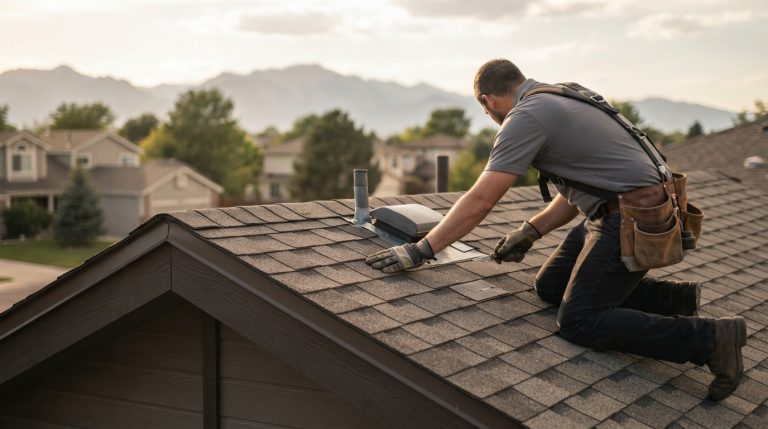
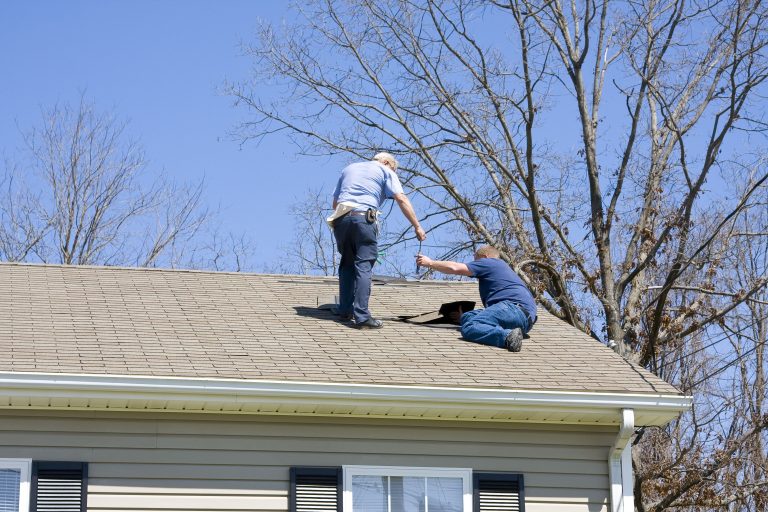
• Qualified roofing professionals combine documented licensing, manufacturer training, and knowledge of Wisconsin’s snow-load and ice-dam codes.
• Green Bay’s climate, with heavy snowfall and freeze-thaw cycling, makes proper material selection and installation technique especially important.
• Comparing contractors on code knowledge, material options, and inspection practices helps homeowners avoid premature roof failure.
Roofing expertise is best measured by verifiable credentials, documented adherence to state building codes, and a track record of installations suited to local weather, not marketing claims alone. Homeowners searching for roofing experts are typically trying to separate contractors who understand regional structural demands from those offering only generic service.
In Green Bay, WI, that distinction matters because the area’s snow accumulation and freeze-thaw patterns place specific structural demands on residential roofs that differ from those in milder climates.
What Separates Skilled Contractors From the Rest
Roofing contractors who meet a higher standard typically show evidence in a few consistent areas.
• Familiarity with state-specific structural codes, including snow load and ice-dam protection requirements.
• Documented training in installing multiple roofing systems, such as asphalt shingles, metal panels, and flat or low-slope membranes.
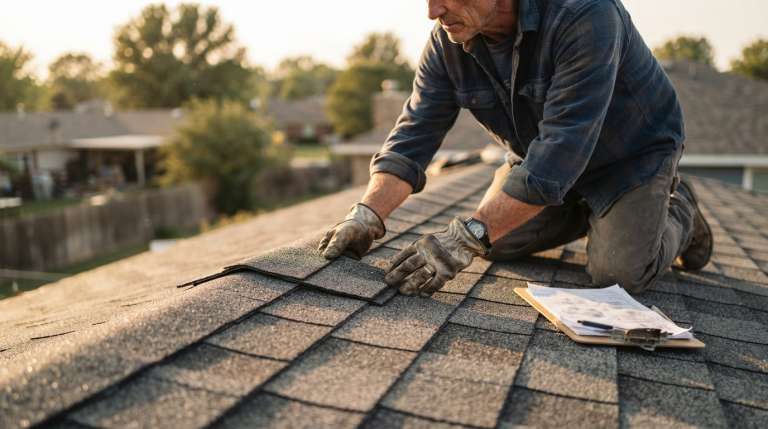
• A pattern of inspecting existing roof decking and ventilation before recommending a replacement, rather than skipping straight to materials.
• Clear communication about permit requirements tied to the scope of work.
Wisconsin doesn’t issue a roofing-specific license, but any contractor pulling a residential building permit must hold both a Dwelling Contractor certification and a Dwelling Contractor Qualifier certification under the state’s code system, according to a recent review of licensed Green Bay roofers. Confirm that distinction directly with any contractor before work begins.
Why Local Climate Knowledge Matters in Green Bay
Snow load and ice management often separate a roof that lasts decades from one that fails early in the region.
Wisconsin’s building code sets residential snow load requirements by zone rather than a single statewide number, and shingled or shake roofs with a slope of 4:12 or less over heated spaces must include ice dam protection at the eaves under SPS 321.28(4)(a), per the same contractor review. Ice dams form when heat escaping through the attic melts snow that refreezes at the colder eave edge, and the National Weather Service explains that meltwater can then back up under shingles and into the home.
Steeper roof pitches shed snow more effectively than low-slope designs, so material and pitch recommendations should reflect regional conditions rather than a one-size-fits-all approach.
Comparing Common Roofing Materials for Cold-Climate Performance
Material choice affects both upfront cost and long-term durability in a climate with heavy snowfall and repeated freeze-thaw cycles.
Material
Typical Cost Position
Cold-Climate Performance
Asphalt shingles
Lowest upfront cost
Reliable with proper ice-barrier underlayment; widely used
Metal roofing
Roughly 30 percent higher upfront
Sheds heavy snow efficiently; long service life
Flat/low-slope membrane
Varies by system
Requires careful edge securement and drainage planning
Wisconsin code requires ice-barrier underlayment from the eave edge to extend at least 24 inches inside the interior wall line in the climate zone covering most of the state, as documented in a 2025 overview of roofing material selection for Green Bay homes. That same overview notes that metal panel systems shed heavy snow loads efficiently, a relevant factor given the region’s winter accumulation.
Frequently Asked Questions
What should homeowners verify before hiring a roofing contractor in Wisconsin? Confirm that the contractor holds the required Dwelling Contractor and Dwelling Contractor Qualifier certifications for permitted residential work, since Wisconsin does not issue a separate roofing license.
How does snow load affect roof design in Green Bay? State code sets snow load requirements by zone, and older roofs or those with prior damage may fall short of current minimum design standards, making periodic inspection worthwhile.
Why do ice dams form, and can you prevent them? Ice dams form when attic heat melts snow that refreezes at the roof edge; code-required ice-barrier underlayment and balanced attic ventilation are standard preventive measures.
Is metal roofing worth the higher upfront cost in this climate? Metal systems cost more upfront but shed snow efficiently and offer a long service life, which can make the cost per year of protection lower than that of asphalt shingles.
Homeowners comparing roofing contractors can use licensing verification, documented code knowledge, and material-specific experience as practical benchmarks before scheduling an inspection or estimate.
Based in Oostburg, WI, CustomCraft Roofing & Construction LLC serves customers across Green Bay, WI. Verified listings describe the company’s offerings as covering shingle, metal, and flat roofing systems, along with repair, replacement, and gutter installation for residential and commercial properties.
Essentially: • Denver homeowners should prioritize roofing contractors who install durable materials suited to hail, wind, and temperature swings common along the Front Range. • A sound roofing project includes inspection, material selection, proper...
Parapet walls can become hidden commercial roof leak points because they create a complex transition where the horizontal roof system meets a vertical wall. If coping, flashing, membrane terminations, joints, or drainage details at...
Quick summary: A roof repair or replacement contract should answer who is doing the work, what materials are included, and how disputes or delays will be handled. Getting clear answers before signing protects against...