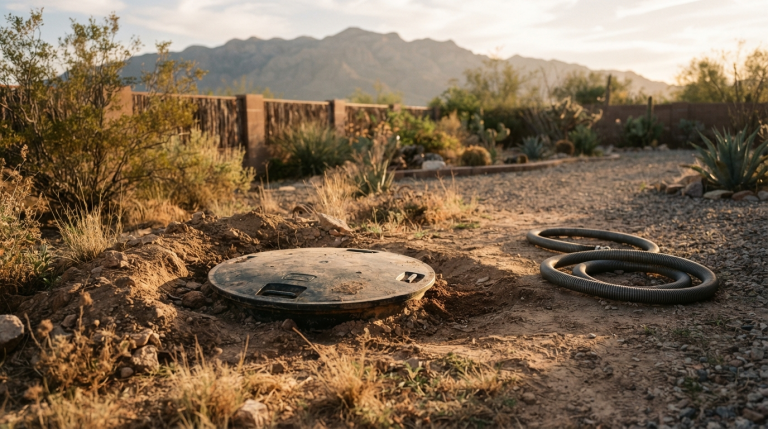
Premier Tech septic systems use a compact biofilter with coconut husk fragments to filter wastewater after primary tank treatment, with no electricity required for the filtration stage.
Precast concrete septic tanks remain the first treatment stage in most residential and commercial setups, holding and separating wastewater before advanced filtration.
New Jersey septic installations must meet state standards for tank construction, setbacks, and capacity under NJAC 7:9A.
Premier Tech Septic Systems New Jersey rely on a layered treatment process that starts with a conventional septic tank and finishes with a specialized biofilter designed to remove pollutants before wastewater reaches the drain field. The system is built around three functional stages: primary treatment in the tank, secondary treatment in the compact biofilter, and final dispersal into the soil or a drainage area.
The precast concrete tank supplied by Peerless Concrete Products Co functions as the entry point for this process, holding raw wastewater long enough for solids to settle and separate from liquid before it moves downstream.
How Primary Treatment Works in the Tank
Before any advanced filtration occurs, wastewater has to pass through a holding tank that performs basic separation. This stage is consistent across most septic designs, including systems paired with Premier Tech components.
The tank receives raw wastewater, including sewage and greywater, from household plumbing.
The tank receives raw wastewater from the home, including sewage and greywater, and separates liquid waste from solid waste.
Fats and lighter materials rise to form a scum layer, while heavier solids settle at the bottom, leaving clarified liquid in the middle layer to flow onward.
This settling process reduces the volume of solid material that could otherwise clog downstream components, which matters for long-term system performance in New Jersey’s varied soil conditions.
The Role of the Compact Biofilter
The heart of this septic system is the compact biofilter, a specialized tank made from polyethylene, concrete, or fiberglass that receives liquid waste from the septic tank and filters it through sustainable coconut husk fragments or a combination of coco and peat moss. This filtering medium acts as more than a physical screen.
The filtering medium acts as a physical barrier that traps pollutants, and naturally occurring microorganisms in the filter break down contaminants so only treated wastewater leaves the unit.
The coconut husk material is biodegradable and sourced from a renewable supply chain rather than mined sand.
No electrical pump is required to move wastewater through the biofilter stage, since the design relies on gravity flow.
Industry reporting on the manufacturing process notes that the filter material inside the tank should typically be replaced every 12 to 15 years, depending on site conditions. Replacement involves pumping out the spent material and refilling the unit, and the removed husks can often be repurposed as compost.
Dispersal and Final Treatment
Once wastewater passes through the biofilter, it reaches its final stage before returning to the environment. The compact biofilter can disperse effluent through a septic drain field or into a stream or ditch, and both methods are designed to meet certification standards intended to protect property and health from pollutants.
Treatment Stage
Primary Function
Material Used
Septic tank
Separates solids from liquid waste
Precast concrete
Compact biofilter
Filters and breaks down pollutants
Coconut husk or coco/peat blend
Drain field or dispersal area
Returns treated effluent to soil
Native soil, gravel, or sand
New Jersey installations must follow setback and construction rules set by the state. Under the NJDEP Standards for Individual Subsurface Sewage disposal systems, tank construction, placement, and permitting fall under NJAC 7:9A and require local health department approval before installation.
Why Tank Quality Matters for System Performance
A biofilter can only perform as well as the primary tank feeding it. If the initial settling stage fails to separate solids effectively, the filter media downstream clogs faster and needs more frequent servicing.
Durable, properly sized tanks reduce strain on the biofilter stage.
Multi-compartment tank designs are required for certain commercial or higher-flow applications under state rules.
Traffic-rated tank options support installations in driveways or commercial lots where surface loads are a factor.
Based in USA, Peerless Concrete Products Co manufactures precast concrete tanks that serve as the foundational component for septic setups across New Jersey, including configurations compatible with advanced biofilter systems.
Frequently Asked Questions
What makes a biofilter septic system different from a traditional one? A traditional system sends clarified liquid through an outlet pipe to a drain field, where it seeps into sand and gravel and percolates through the ground, with soil microbes removing remaining contaminants. A biofilter system adds an intermediate treatment stage using filter media before effluent reaches the drain field.
How often does the filter material need maintenance? Reported industry data indicates the material inside the tank should be replaced every 12 to 15 years depending on site conditions, which is a longer service interval than sand-based filtration media.
Do New Jersey septic systems require a permit? Yes. There are four major types of septic system approvals in New Jersey, and the Standards for Individual Subsurface Sewage Disposal Systems require that septic permits be obtained before locating, designing, constructing, installing, altering, and operating a septic system.
Can a biofilter tank be made of concrete? Depending on site conditions, the biofilter tank can be made from polyethylene, concrete, or fiberglass.
Additional Resources
Published product information for Peerless concrete products Co outlines available precast tank sizes and configurations relevant to septic installations in the region.
Snapshot: A septic tank generally needs pumping every three to five years, though the exact interval depends on household size, tank capacity, and daily water use. For Sierra Vista properties relying on private systems...
In brief: Offices that process mail manually lose measurable staff hours each week to weighing, stamping, and sorting tasks that automated equipment handles in seconds. The fastest way to improve office efficiency is to...
Bottom line: Visiting a professional coin dealer for the first time usually means an in-person evaluation of your coins, currency, or precious metals, followed by a transparent offer based on condition, rarity, and current...