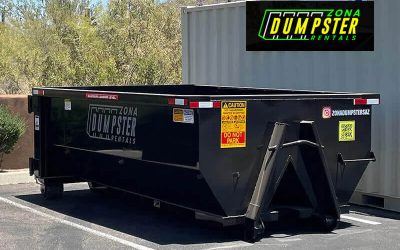
When a dumpster fills up before a project ends, loading should stop before materials rise above the container walls or exceed safe hauling limits. The next step is to contact the rental provider, review the remaining debris, and decide whether an additional haul, container swap, or different Dumpster Rental plan is needed.
This situation is common on Phoenix cleanup and construction projects because debris volume is often hard to estimate at the beginning. Walls, flooring, cabinets, fixtures, packaging, and hidden materials can create more waste than expected once work begins.
Why Do Dumpsters Fill Faster Than Expected?
Dumpsters often fill quickly because project debris does not stack as neatly as people expect. Broken boards, drywall pieces, cabinets, insulation, tile, and packaging can leave large air gaps inside the container. Bulky materials may take up space even when they are not especially heavy.
Another reason is hidden debris. A project may begin with a simple cleanout but uncover old flooring, damaged materials, extra storage items, or layers of previous remodeling work. Once those materials are removed, the original estimate may no longer match the actual load.
Phoenix properties can also produce mixed debris during outdoor and indoor projects. A cleanup may include furniture, yard material, fixtures, wood, and construction waste in the same general project timeline. When materials vary, it becomes harder to predict how quickly the container will fill.
Should You Keep Loading an Already Full Dumpster?
No. Loading should stop once debris reaches the container’s fill line or top edge. Materials should not be stacked above the walls, tied to the outside, or balanced on top to make extra space.
Overfilled Dumpsters may be unsafe to haul. Loose materials can shift during transport, and items above the walls may prevent the container from being covered properly. If the container cannot be hauled safely, material may need to be removed before service can continue.
Weight matters too. A container can be too heavy even if it does not look full. Dense materials such as concrete, dirt, tile, brick, stone, and roofing debris can reach weight limits quickly. A half-filled container with heavy debris may require attention before more material is added.
What Should You Do First?
The first step is to pause loading and check the container from all sides. Look for debris above the walls, long materials hanging over the edges, uneven weight distribution, or items that may shift easily.
Next, estimate what is still left to load. Separate the remaining materials by type, such as wood, drywall, fixtures, packaging, soil, tile, or general household contents. This helps the rental provider understand whether the issue is volume, weight, or both.
Take photos of the filled container and remaining debris. Clear photos can help the provider recommend the most practical next step without guessing.
Can the Dumpster Be Emptied and Returned?
In some cases, the provider may be able to haul the full container away and return an empty one. This is often called a swap-out or additional haul, depending on the company’s process.
This option can be useful when the project is still active and more debris will be created. It may also help when the original dumpster size was appropriate for the property but the project produced more material than expected.
Scheduling depends on availability, location, access, and disposal requirements. Phoenix customers should keep the route to the container clear so the provider can remove it without delay.
Should You Rent a Larger Dumpster Instead?
A larger container may help when the remaining debris is mostly bulky and lightweight. However, bigger is not always better. If the debris is dense, a larger container may still have loading restrictions because of weight.
For construction projects, a Construction Dumpster Rental should be matched to the type of material being removed, not only the amount of space needed. Wood, drywall, cabinets, and packaging behave differently than dirt, concrete, tile, or masonry.
Before choosing a larger container, customers should explain what has already been loaded and what remains. This makes it easier to avoid repeating the same problem with a second container.
How Can Projects Avoid Filling a Dumpster Too Early?
Planning starts with the full project scope. Instead of estimating only the visible debris, include materials that may appear as work progresses. Flooring projects may include underlayment, adhesive, trim, and packaging. Cabinet projects may include countertops, shelving, hardware, and wall materials.
The loading method also matters. Break down large items when practical. Place flat materials carefully. Avoid tossing everything into the center of the container without organizing the load. Better loading can improve space use, especially with lighter materials.
Keep heavy materials low and evenly spread. Do not concentrate dense debris in one corner or continue stacking material simply because there is visual space available.
What Role Does Project Timing Play?
Some dumpsters fill too early because delivery happens before the debris is ready. If workers are still sorting materials, the container may collect unrelated items or become disorganized before the main project begins.
For multi-day projects, plan when debris will actually be produced. A container should arrive when the site is ready to load, not so early that it becomes a general holding area.
If a project has several stages, customers may need to schedule more than one hauling cycle. This can keep the site clearer and reduce the risk of an overloaded container near the end of the job.
What If Other People Add Items to the Dumpster?
Unplanned use can make a dumpster fill faster. Neighbors, tenants, workers, or passersby may add items if the container is left open and accessible.
To reduce this risk, place the dumpster where it is visible and controlled when possible. Communicate clear rules to crews and tenants. Do not allow restricted materials or unrelated items to be added.
For commercial or shared properties, signage may help remind people that the container is assigned to a specific project.
Plan the Next Load Before the First One Is Full
A full dumpster does not have to stop a Phoenix project, but it should trigger a quick reassessment. Stop loading, review the remaining debris, take photos, and contact the provider before materials exceed safe limits. With the right container size, loading plan, and removal schedule, dumpster rental projects can stay organized even when the debris amount changes.