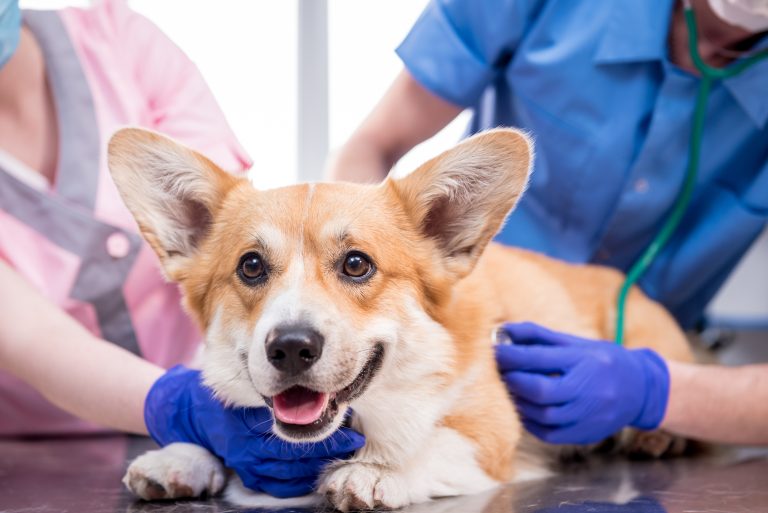
A first veterinary visit typically includes a health history review, a nose-to-tail physical exam, and a discussion of vaccines or preventive care needs.
The American Animal Hospital Association recommends at least one wellness checkup a year for healthy adult pets, with more frequent visits for puppies, kittens, and seniors.
Bring prior medical records, a list of current medications, and a fresh stool sample if your veterinarian requests one.
A first visit to a veterinarian centers on building a baseline health record for your pet through a physical exam, a history review, and a conversation about preventive care tailored to their age and lifestyle. Pet owners searching for a Veterinarian in Urbana, OH are usually trying to establish care for a new puppy, kitten, or recently adopted adult animal, and want to know what the appointment will actually involve before they show up.
The Pet Clinic of Urbana is one local option offering general wellness and sick-pet care for dogs and cats in the area. Understanding the structure of a typical first appointment can make that visit less stressful for both you and your pet.
Before You Arrive: What to Bring
A smooth first visit depends on preparation. Having the right paperwork and supplies on hand helps the veterinary team build an accurate picture of your pet’s health from day one.
Prior veterinary records, including vaccination history, if your pet has seen another vet in the last year
A list of current medications or supplements
A fresh stool sample, if requested ahead of time
Notes on any behavior changes, appetite shifts, or symptoms you have noticed at home
Arriving a few minutes early also gives you time to fill out new-patient paperwork without feeling rushed.
What Happens During the Exam
The appointment generally follows a consistent pattern regardless of species or age. Knowing each step in advance helps set realistic expectations.
History and lifestyle review. The veterinarian or technician asks about diet, activity level, home environment, and any symptoms you have observed.
Full physical examination. This covers the heart, lungs, eyes, ears, teeth, gums, lymph nodes, skin, coat, and abdomen, along with weight and body condition scoring.
Preventive care discussion. Based on age and risk factors, the vet may recommend vaccines, parasite prevention, or screening tests such as heartworm or fecal checks.
Plan and next steps. You leave with a written or verbal summary of recommendations and a schedule for follow-up visits.
This structure mirrors national guidance: the American Animal Hospital Association notes that annual veterinary exams can catch manageable conditions like diabetes and dental disease before they progress. According to that same guidance, an indoor cat still needs an annual exam because animals can be very good at hiding pain and disease.
How Visit Needs Differ by Life Stage
Not every pet needs the same visit frequency or focus. The table below breaks down common differences by age group.
Life Stage
Typical Visit Frequency
Main Focus Areas
Puppy/Kitten
Every few weeks until fully vaccinated
Core vaccines, deworming, growth tracking
Healthy Adult
At least once a year
Physical exam, parasite prevention, dental check
Senior (7+ years)
Every six months
Bloodwork, joint and organ function, pain screening
Senior pets benefit from closer monitoring because age-related conditions often develop gradually and without obvious symptoms.
Questions Worth Asking at Your Appointment
A first visit is also your chance to set the tone for ongoing care. Asking a few direct questions helps you understand what to expect going forward.
How often should my pet be seen based on their age and breed?
What vaccines or preventive treatments are recommended for our lifestyle?
Are there any early signs of dental, weight, or mobility concerns to watch for?
What is the best way to reach the clinic between scheduled visits?
Veterinary teams generally welcome these questions, since an open conversation about lifestyle and risk factors leads to more accurate, individualized recommendations.
Common Questions About First Veterinary Visits
How long does a first veterinary visit usually take? Most initial appointments run longer than routine follow-ups because of the history review and full physical exam, though exact timing depends on the clinic’s scheduling and your pet’s needs.
Do I need an appointment, or can I walk in? Most general veterinary practices, including wellness-focused clinics, operate on a scheduled appointment basis rather than walk-in service for non-emergency visits.
What if my pet is anxious during the exam? Let the front desk and veterinary team know ahead of time. Many clinics can adjust handling techniques or exam room timing to reduce stress for nervous pets.
Should I bring my pet’s old medical records? Yes. Prior records help the veterinarian avoid duplicate testing and give a clearer picture of ongoing health trends.
A first veterinary visit sets the foundation for years of preventive care, and knowing what to expect makes that initial appointment far less intimidating for new pet owners. Whether you are bringing in a new puppy, a recently adopted cat, or a pet that is overdue for a checkup, a clear history, a thorough physical exam, and an open conversation about lifestyle needs form the backbone of a solid first appointment. Pet owners in Urbana researching local options can use this guide as a starting point for what a well-run first visit should look like before scheduling their own appointment.
Choosing the right veterinarian is crucial for the health and well-being of your pets. In Monmouth County, NJ, pet owners have numerous options, which can make the decision challenging. This article will guide you...