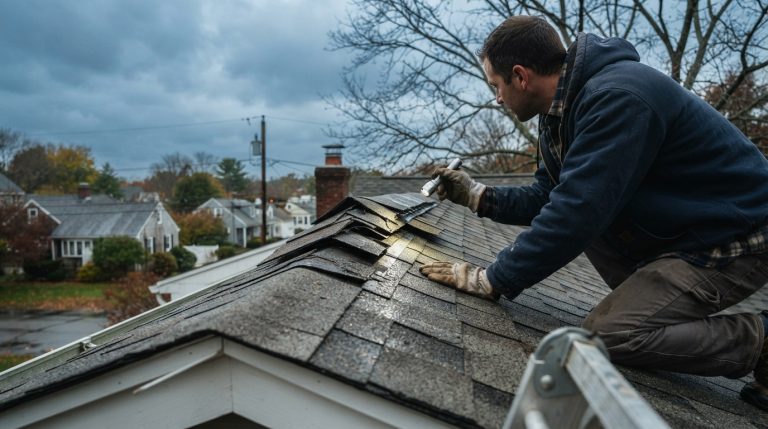
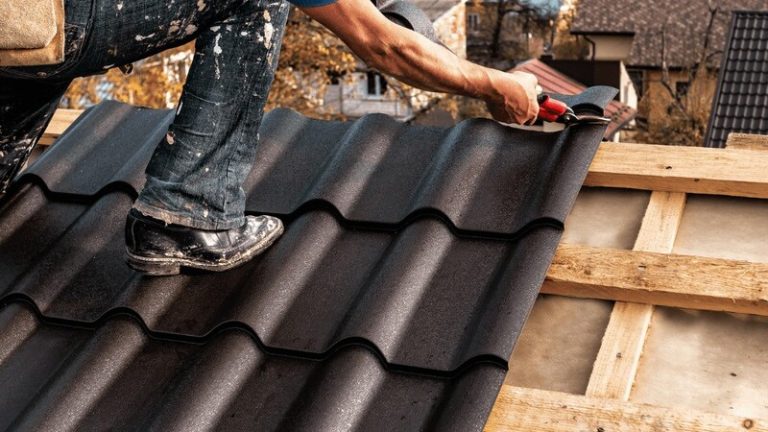
• A residential roofer typically handles an initial inspection, a written estimate, material selection, and a scheduled installation or repair timeline.
• Homeowners in Portland, TX should expect contractors to account for Gulf Coast humidity, high wind exposure, and local permitting steps.
• Reviewing licensing, warranty terms, and material options before signing a contract helps avoid delays and unexpected costs.
Hiring a residential roofer generally involves four stages: an on-site inspection, a written estimate, material and scheduling decisions, and the actual repair or installation work. Understanding these steps ahead of time helps homeowners compare quotes accurately and avoid surprises once work begins. Each stage also gives a homeowner a chance to ask about licensing, insurance, and warranty coverage before committing to a contract.
Coastal homes near Portland, TX face conditions that differ from inland properties, including salt-laden air, intense summer heat, and the risk of high-wind events during hurricane season. These factors influence which materials hold up best and how often maintenance inspections are recommended. A roofer familiar with the area will usually factor local wind-resistance standards into the proposal rather than applying a generic approach.
The Inspection and Estimate Process
Most residential roofing jobs start with a physical inspection of the roof deck, flashing, ventilation, and shingle or panel condition. The contractor documents visible damage, checks for soft spots or leaks, and notes any code issues that could affect the scope of work.
Following the inspection, homeowners should expect a written estimate that outlines:
• Material type and quantity needed
• Labor costs and estimated project duration
• Permit requirements, if applicable
• Warranty terms for both materials and workmanship
Comparing at least two or three estimates side by side makes it easier to spot unusually low bids that may signal corner-cutting on materials or labor.
Material Options Homeowners May Consider
Material choice affects both upfront cost and long-term performance, particularly in a humid, storm-prone climate. The table below summarizes common residential roofing materials and general characteristics relevant to Gulf Coast conditions.
Material
Typical Lifespan
Wind/Storm Considerations
Asphalt shingles
15-25 years
Moderate wind resistance; rated products available for higher wind zones
Metal roofing
40-70 years
Strong wind and impact resistance; reflects heat
Tile roofing
50+ years
Heavy; requires structural assessment; durable in high heat
Homeowners should ask whether a proposed material carries a wind-rating certification suited to coastal exposure, since not all products are rated equally for high-wind regions.
Permits, Timelines, and Weather Scheduling
Roofing permits are typically required for full replacements and sometimes for major repairs, depending on local building codes. A contractor familiar with Portland, TX jurisdictions should be able to confirm whether a permit applies and handle the filing as part of the project scope.
Weather plays a direct role in scheduling. Berryman Roofing crews generally avoid installation during active rain or high-wind advisories, and the National Weather Service provides regional forecasts that many contractors reference when planning multi-day projects. Homeowners should ask for a realistic timeline that accounts for potential weather delays rather than a fixed completion date.
Questions to Ask Before Signing a Contract
A few direct questions can clarify expectations before work begins:
1. Is the company licensed and insured for residential roofing work in this area?
2. What does the workmanship warranty cover, and for how long?
3. Who is responsible for debris removal and cleanup after the job?
4. How are unexpected issues, such as rotted decking, handled in terms of additional cost?
Getting these answers in writing, rather than verbally, reduces the chance of disputes once the project is underway.
Frequently Asked Questions
How long does a typical roof replacement take? Most single-family residential roof replacements take one to three days, depending on roof size, material, and weather conditions.
Do I need a permit to replace my roof? Many jurisdictions require a permit for full roof replacements; a contractor familiar with local codes can confirm specific requirements before work starts.
What should I check on a roofing estimate? Review material specifications, labor costs, warranty terms, and whether cleanup and disposal are included in the quoted price.
A pole barn can serve as a workshop, equipment shelter, storage building, or flexible space for a growing property. Its usefulness depends on more than its overall size: the site, structural system, access points,...
At glance: • Cranston’s older housing stock, much of it built before 1950, is especially prone to chimney-flashing failures and ice-dam leaks after storms. • A free on-site inspection is the standard first step...
Removing an outdated evaporative cooler involves more than lifting the unit from the roof. Once the equipment is gone, an opening remains through the roofing surface, underlayment, roof deck, insulation, and often the interior...