Weekly or biweekly cleaning schedules fit most Ashburn households, while monthly visits work better for smaller or low-traffic homes.
Seasonal transitions, move-in or move-out dates, and post-renovation periods are the best natural triggers for a deep clean.
Booking ahead during spring and fall helps secure preferred time slots when demand for home cleaning rises.
Most homeowners in Ashburn should book a cleaning service every one to two weeks for routine upkeep, with deeper seasonal cleanings scheduled around spring, fall, or major household changes. The right frequency depends on household size, pets, allergies, and how much daily foot traffic a home sees.
Finding a reliable cleaning service in Ashburn,VA often comes down to timing as much as it does to picking the right provider. A home that gets cleaned at the wrong intervals can still look cluttered or feel dusty between visits, even with a skilled cleaning crew. Matching a cleaning schedule to a household’s actual rhythm, rather than a generic calendar, tends to produce better results and fewer surprises.
How Often Does a Home Really Need Cleaning
Cleaning frequency is rarely one-size-fits-all. A few practical factors determine whether weekly, biweekly, or monthly service makes sense.
Households with young children or pets generally need weekly attention to manage spills, pet hair, and higher bacteria exposure.
Homes with allergy sufferers benefit from more frequent dusting and vacuuming, since indoor allergens can build up quickly between cleanings.
Smaller households or homes with fewer occupants often do well with biweekly or monthly visits.
Busy professionals who travel often may prefer biweekly service to keep the home presentable without daily upkeep.
According to the environmental protection agency’s indoor air quality guidance, regular cleaning and dust control play a measurable role in reducing indoor allergens and improving air quality inside the home. This is one reason allergy-prone households tend to schedule cleanings more frequently than the average.
Seasonal Timing Matters
Certain times of year create natural demand spikes for deeper cleaning work, and scheduling around these windows can help avoid last-minute booking stress.
Spring and Fall Transitions
Spring cleaning remains a long-standing household tradition, often involving baseboards, window tracks, and areas missed during routine visits. Fall cleanings serve a similar purpose before holiday guests arrive and heating systems kick on, stirring up dust that settled over summer.
Post-Renovation or Move Dates
Construction dust and debris from renovations require more intensive cleaning than a standard visit covers. Move-in and move-out cleanings are also commonly scheduled separately from recurring service, since empty homes need different attention than lived-in spaces.
Comparing Common Cleaning Frequencies
Frequency
Best Fit For
What It Typically Covers
Weekly
Families, pet owners, allergy-sensitive households
Full home refresh, kitchens, bathrooms, dusting, vacuuming
Biweekly
Smaller households, dual-income professionals
Core living areas, bathrooms, kitchen surfaces
Monthly
Low-traffic homes, single occupants
General tidy-up, spot cleaning, surface dusting
Seasonal/One-Time
Spring/fall transitions, moves, renovations
Deep clean, baseboards, windows, detailed areas
Signs It Is Time to Adjust the Schedule
A cleaning schedule is not fixed forever. Life changes often signal it is time to reassess.
A new pet or baby in the household typically increases cleaning needs.
Seasonal allergy flare-ups may call for more frequent dusting and vacuuming.
Hosting guests or holiday gatherings often justifies a one-time deep clean beforehand.
A change in work schedule, such as transitioning to remote work, can shift how much daily mess accumulates.
Reassessing cleaning frequency every few months helps keep the schedule aligned with how the home is actually being used, rather than relying on habit alone.
Finding the Right Fit for Your Home
Choosing between weekly, biweekly, or seasonal cleaning comes down to observing how a home collects dust, clutter, and wear between visits. Households that notice buildup faster than expected may benefit from shortening the interval, while those with lighter use can often stretch it out. Testing a schedule for a month or two and adjusting based on results tends to work better than committing to a fixed plan indefinitely.
Frequently Asked Questions
How do I know if I need weekly or biweekly cleaning? Households with children, pets, or allergy concerns typically benefit from weekly service, while smaller or lower-traffic homes often do fine with biweekly visits.
Is spring the only good time for a deep clean? No. Fall is equally common for deep cleaning, particularly before holiday season and heating system use begins.
Should I schedule a cleaning before or after moving? Both are common. A pre-move cleaning prepares a home for new occupants, while a post-move cleaning addresses dust and debris from the moving process itself.
Can cleaning frequency change over time? Yes. Life changes such as new pets, babies, or shifts in work schedule often call for adjusting how often a home is cleaned.
Scheduling a home cleaning service is less about following a fixed calendar and more about reading the signals a household gives off between visits. Paying attention to seasonal changes, allergy patterns, and life events makes it easier to settle on a routine that actually keeps a home comfortable year-round.
For residents weighing their options, reviewing local availability and service details through Regal Maid Service – Loudoun and Fairfax can help clarify what a realistic schedule looks like for a specific home.
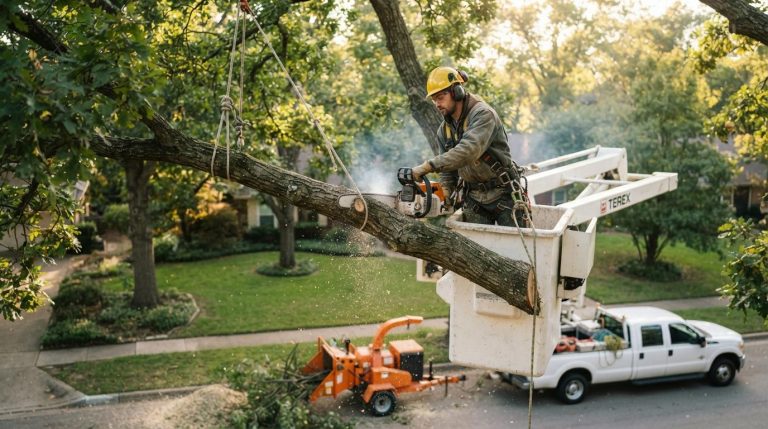
Briefly: A professional tree removal arrives at a property, evaluates the tree’s condition and surroundings, provides a written estimate, then removes the tree in sections using ropes, cranes, or other rigging to protect nearby...
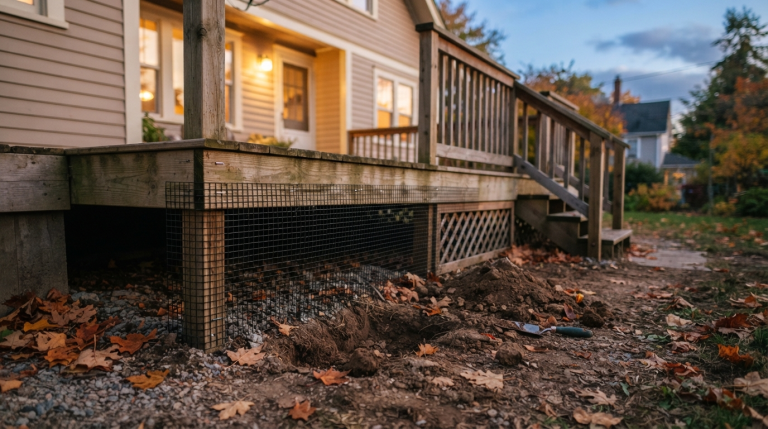
Summary: A skunk problem usually announces itself through smell before sight. The odor can settle into siding, soil, and even concrete, and it often lingers long after the animal has moved on, which makes...
Quick summary: A well-maintained tree canopy lowers the chance of falling limbs, pest infestations, and fire fuel buildup, which is why routine upkeep matters more than reactive repairs after storm damage occurs. Scheduling Tree...