• Denver homeowners should prioritize roofing contractors who install durable materials suited to hail, wind, and temperature swings common along the Front Range.
• A sound roofing project includes inspection, material selection, proper installation, and ongoing maintenance, not just replacement.
• Licensing, insurance, and material warranties are the baseline criteria for vetting any roofing contractor.
A roof that holds up in Denver needs more than fresh shingles. It requires materials and installation practices matched to the region’s hail, wind, and temperature extremes, along with a contractor who understands local building demands.
Finding dependable residential roofing services in Denver CO starts with understanding what a complete roofing project actually involves. Many homeowners assume a quote covers only shingles and labor, but a thorough service includes inspection, material selection, tear-off, installation, and follow-up maintenance. One Denver-based provider, Roof Evolution, outlines this layered approach on its service pages, which is a useful reference point for what a full-scope residential roofing job should cover.
Colorado’s Front Range sits in one of the most hail-prone corridors in the country, and that reality should shape how homeowners think about roof durability. According to the Insurance Information Institute, Colorado recorded 244 major hail events in 2025, ranking sixth nationally for hail activity. That frequency makes material choice and installation quality more than a cosmetic decision.
What a Complete Residential Roofing Service Should Include
A properly scoped roofing job is not a single task. It typically spans several coordinated stages:
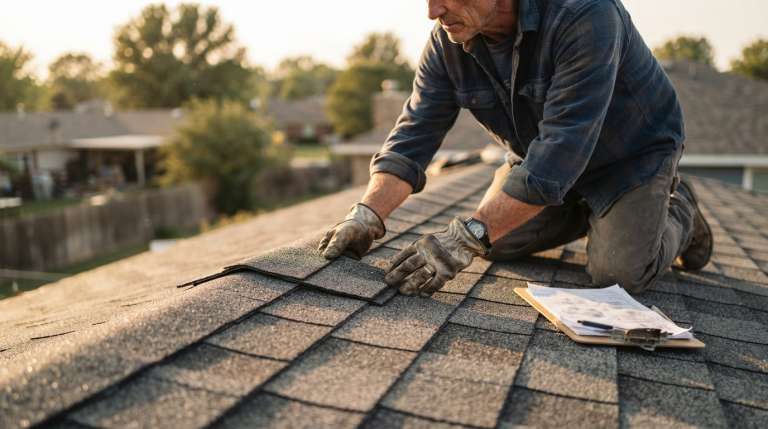
• Inspection and assessment to identify structural issues, moisture intrusion, or granule loss before work begins.
• Material selection based on climate exposure, budget, and the home’s architectural style.
• Installation or replacement performed to manufacturer specifications and local code.
• Routine maintenance to extend roof life and catch minor issues before they become costly repairs.
Skipping any one of these steps increases the likelihood of premature failure or voided warranties. A roofing company that addresses the full sequence, rather than jumping straight to installation, is generally better positioned to deliver a roof that performs over decades rather than years.
Matching Roofing Materials to Denver’s Climate
Material choice has an outsized effect on how a roof performs against Colorado’s hail and wind cycles. The table below summarizes common residential roofing materials and their general performance characteristics.
Material
Typical Lifespan
Wind Resistance
Best Suited For
Asphalt shingles (architectural)
25-30 years
Up to 130 mph
Most residential homes seeking durability and value
Asphalt shingles (3-tab)
15-20 years
60-70 mph
Budget-conscious projects, lower-pitch roofs
Metal roofing
30-50 years
High wind and hail resistance
Storm-prone areas, long-term homeowners
Tile roofing
50 years or more
Strong, weight-dependent
Homes prioritizing longevity and distinct aesthetics
Roof Evolution’s residential roofing page lists asphalt shingles, metal, and tile as material options offered for Denver-area installations, which aligns with the broader industry guidance on matching material to climate exposure and expected service life.
Evaluating a Residential Roofing Contractor
Not every roofing company applies the same standards to installation or customer communication. Homeowners comparing options should look for a few consistent markers of reliability:
1. Verified licensing and insurance. This protects the homeowner if an issue arises during or after the project.
2. Clear scope of services. Reputable contractors typically detail installation, replacement, repair, and maintenance separately rather than bundling vague promises.
3. Material transparency. Contractors should specify which brands and shingle types they install, not just general descriptions.
4. Local experience. Familiarity with Denver’s hail patterns and building requirements matters more than generic national marketing claims.
A contractor that is upfront about these details, rather than relying on broad guarantees, is usually easier to vet and hold accountable.
Frequently Asked Questions
How often should a Denver homeowner have their roof inspected? Most roofing guidance recommends inspecting an asphalt shingle roof once it passes the 20-year mark, or sooner after a significant hailstorm, since granule loss and hidden damage are not always visible from the ground.
What roofing material holds up best against Colorado hail? Architectural asphalt shingles and metal roofing generally offer stronger wind and impact resistance than basic 3-tab shingles, making them a more practical choice for hail-prone regions like the Front Range.
Is roof repair ever a better option than full replacement? Repair can make sense when damage is isolated, the roof is relatively young, and less than a quarter of the surface is affected. Once damage becomes widespread or recurring, replacement is typically the more cost-effective long-term choice.
What should be included in a residential roofing estimate? A complete estimate should cover inspection findings, material specifications, labor, warranty terms, and an estimated timeline, not just a flat price for shingles and installation.
Choosing a residential roofing service in Denver comes down to verifying that a contractor offers full-scope services, uses materials suited to local weather, and communicates clearly about scope and warranty terms. Homeowners who take time to compare these factors, rather than selecting based on price alone, are better positioned to avoid repeat repairs and protect their property value for decades. Roof Evolution documented service offerings in installation, replacement, repair, and maintenance reflect the kind of full-service approach homeowners should expect when researching options in the Denver metro area.
Takeaway: • Qualified roofing professionals combine documented licensing, manufacturer training, and knowledge of Wisconsin’s snow-load and ice-dam codes. • Green Bay’s climate, with heavy snowfall and freeze-thaw cycling, makes proper material selection and installation...
Parapet walls can become hidden commercial roof leak points because they create a complex transition where the horizontal roof system meets a vertical wall. If coping, flashing, membrane terminations, joints, or drainage details at...
Quick summary: A roof repair or replacement contract should answer who is doing the work, what materials are included, and how disputes or delays will be handled. Getting clear answers before signing protects against...