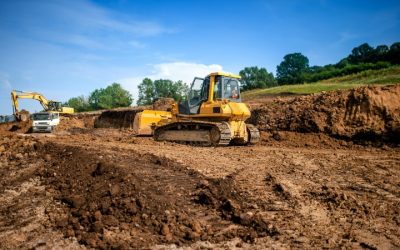
A property can have plenty of potential and still feel unusable when brush and young growth take over. In Milledgeville, wooded parcels may gradually become difficult to walk, maintain, or evaluate. Forestry mulching offers a way to process much of that vegetation on the property instead of creating large piles that must be handled later. The first step, however, is deciding what the land should become once the overgrowth is under control.
For owners researching forestry mulching in Milledgeville, GA, the most useful conversation is about the finished result. A future homesite, driveway corridor, recreational area, or open yard can require a different clearing pattern. Some trees may be worth retaining for shade or privacy, while other growth may simply block access. Defining those priorities before work starts helps turn a general cleanup into a targeted property-improvement project.
The condition of the vegetation also matters. Small saplings, vines, brush, fallen limbs, and thicker woody growth can behave differently under equipment. A site with several distinct conditions may benefit from different levels of clearing rather than one uniform pass. A professional assessment can identify areas that need more attention and areas that should remain undisturbed, helping keep the work aligned with the owner’s actual goals.
Access is another detail that deserves attention before equipment arrives. Gates, narrow entrances, soft ground, slopes, fences, structures, and overhead branches can influence how machinery reaches the work area. Planning an equipment route in advance can reduce unnecessary movement and help protect features outside the clearing zone. It also gives the owner a chance to point out property boundaries and preservation areas that may not be obvious from a distance.
Mulching can simplify the cleanup stage because much of the vegetation is processed where it stands. That does not mean every site will be left ready for construction immediately. Owners may still need grading, drainage work, stump treatment, or other site preparation depending on the planned use. Treating vegetation removal as one phase of a larger plan makes it easier to coordinate what happens next.
The newly visible ground can provide useful information. Once dense growth is removed, property owners can better understand slopes, access routes, low areas, and the relationship between wooded and open portions of the parcel. Those observations can inform later conversations with surveyors, builders, or other professionals. Clearing does not replace those services, but it can make the physical site easier to evaluate.
Selective clearing can be especially useful when the owner wants a property that feels more open without losing its natural character. Mature trees or wooded edges can sometimes remain while specific areas are opened for practical use. The decision should be based on the site and safety considerations, not a blanket assumption that every tree or piece of brush needs to go.
A successful project should leave the property easier to access, understand, and use. Vaquero Landworks can help Milledgeville property owners consider the clearing approach that fits their land and intended purpose. Starting with a clear plan helps avoid unnecessary removal and gives the finished property a useful direction instead of simply making it look different.
Clear expectations at the beginning make the rest of the project easier to manage and easier to evaluate. Before work starts, write down the outcome that matters most, the areas that need attention, and any conditions that could change the sequence. That small amount of preparation can make later decisions simpler because everyone is working from the same understanding of the project.
The practical details matter because a good result should fit the property, process, or people involved rather than follow a generic formula. Take time to identify constraints early, especially where access, timing, information, or preservation is important. A realistic plan leaves room for normal changes while keeping the main objective clear.
A thoughtful plan also makes it easier to recognize which decisions need professional input and which can be handled during routine planning. That distinction saves time and keeps the project focused. When the important questions are identified early, conversations with a contractor, consultant, photographer, clinician, or service provider can be more specific and more useful.
Frequently Asked Questions
Is forestry mulching right for every property?
No. Terrain, soil, vegetation, access, existing trees, and the intended use all affect whether mulching is appropriate.
Does mulching eliminate all debris?
It can reduce loose vegetation substantially because much of the material is processed on site, but larger debris or other materials may still need separate handling.
Should I decide what trees to keep before work begins?
Yes. Identifying preservation areas in advance gives the crew clear direction and helps the clearing plan match the property owner’s priorities.