Rubber to metal bonding is a transformative manufacturing process widely utilized across various industries to create composite components that exhibit the elasticity of rubber and the structural integrity of metal. This process involves chemically adhering rubber to metal substrates, resulting in parts that are integral to the functionality of machinery in automotive, aerospace, and construction sectors, among others. Understanding the intricacies of Rubber to Metal Bonding can significantly enhance the durability and performance of these composite materials.
Exploring the Process of Rubber to Metal Bonding
1. Surface Preparation:: Before bonding, the metal surface must be meticulously prepared to ensure that the rubber will adhere properly. This preparation typically involves:
- Cleaning: Removing all contaminants such as grease, dust, and oxidation layers.
- Roughening: Creating a textured surface on the metal to increase the bonding area.
- Priming: Applying a specialized adhesive primer that enhances the bond strength.
2. Choosing the Right Rubber and Adhesive:: The type of rubber and adhesive used is crucial for the success of the bonding process. Factors to consider include:
- Rubber Type: Depending on the application, different rubbers such as natural rubber, neoprene, or silicone might be used.
- Adhesive Type: The choice of adhesive depends on the rubber type and the environmental conditions the final product will face, such as temperature fluctuations and chemical exposures.
3. Bonding and Curing:: After applying the adhesive, the rubber is placed onto the metal and the assembly is subjected to heat and pressure. This curing process activates the adhesive, creating a strong and durable bond. The specific conditions, such as temperature and pressure levels, depend on the adhesive and rubber types used.
Benefits of Rubber to Metal Bonding
The advantages of using rubber to metal bonding in manufacturing are significant:
- Enhanced Durability:: The bond formed is highly resistant to stress, vibrations, and thermal expansions.
- Cost-Effectiveness:: Reduces the need for mechanical fastening methods, which decreases production costs and time.
- Design Flexibility:: Allows for the creation of complex shapes and sizes that might not be feasible with other bonding techniques.
- Increased Performance:: Improves the load-bearing capacity and shock absorption of the components, enhancing the overall performance of the machinery.
Common Applications
Rubber to metal bonded parts are essential in numerous applications:
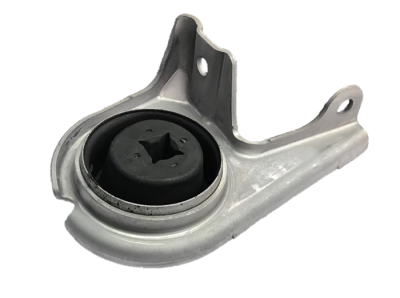
- Automotive:: Engine mounts, suspension bushings, and brake pads.
- Aerospace:: Seals, gaskets, and vibration dampening components.
- Industrial Machinery:: Anti-vibration mounts, rollers, and conveyor belts.
Rubber to metal bonding is a critical process in modern manufacturing, offering a combination of durability, cost-effectiveness, and performance enhancement. By selecting the appropriate materials and adhering to precise surface preparation and bonding techniques, manufacturers can create high-quality, resilient components that meet the demands of various industrial applications. Understanding and implementing this process effectively can lead to innovations in product design and improvements in machinery efficiency and lifespan. Whether you’re in automotive, aerospace, or any sector requiring robust composite materials, mastering rubber to metal bonding is key to achieving durable solutions.