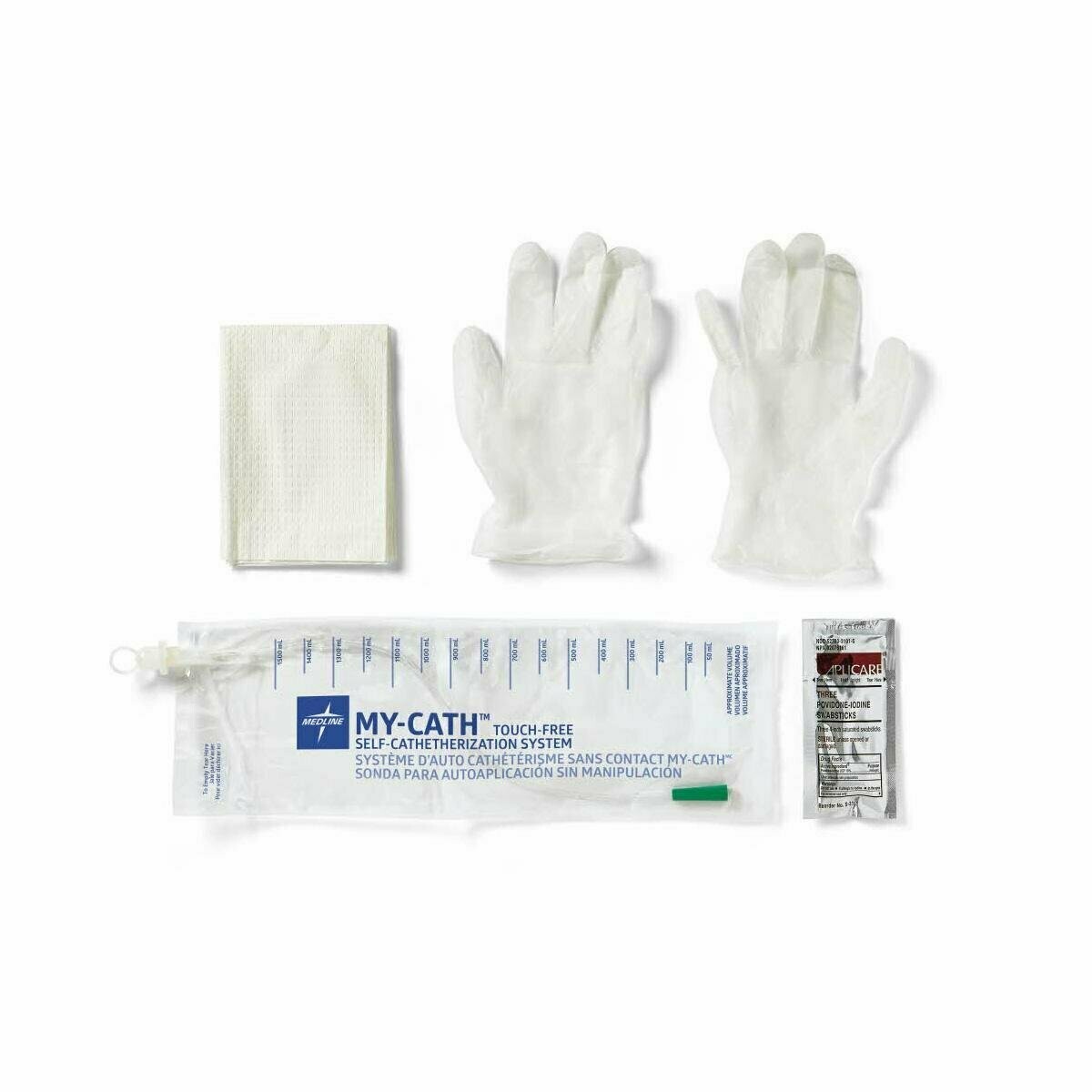
Buying dental equipment is one of the most critical decisions for both new and established dental professionals. Whether setting up a new practice, expanding services, or replacing outdated tools, investing in the right equipment impacts efficiency, patient comfort, and clinical outcomes. But with countless options and a wide price range on the market, making the right choice can be overwhelming.
Let us explore the key considerations and practical tips for dental professionals planning to buy dental equipment, ensuring informed, cost-effective, and future-proof decisions.
Understand the Needs of Your Practice
Before browsing catalogs or comparing brands, it’s essential to assess the specific needs of your dental practice. Factors like practice size, target patient base, and specialty services should influence your equipment choices.
- General dentistry practices may require standard items like dental chairs, delivery units, sterilization equipment, and X-ray systems.
- Pediatric offices may prioritize smaller chairs and fun, child-friendly technology.
- Endodontic or surgical clinics may need specialized tools for imaging, sedation, or microsurgical procedures.
Creating an equipment checklist based on your service offerings helps prevent overspending on unnecessary tools and ensures you’re ready to meet patient demands from day one.
Dental equipment can be a significant investment. A common consideration is whether to purchase new or refurbished items. Each has its advantages:
New Equipment:
- Comes with warranties and the latest features.
- Typically includes training and installation.
- Ideal for cutting-edge or high-tech devices.
Refurbished Equipment:
- Often costs 30 to 60% less than new.
- Professionally inspected and tested for safety and function.
- Suitable for non-critical or backup equipment.
For startups or small clinics, a mix of new and refurbished units can balance budget and performance.
Evaluate Equipment Based on Key Factors
Once you know what you need, consider the following before making a purchase:
1. Ergonomics and Comfort
The design of chairs, delivery units, and operator stools affects both patient experience and practitioner health. Look for adjustable, ergonomic models to reduce physical strain.
2. Technology Compatibility
Ensure the equipment is compatible with your software systems or digital imaging tools. For instance, digital X-rays should seamlessly integrate with your practice management software.
3. Ease of Maintenance
Choose models that are easy to clean and maintain. This reduces downtime and the cost of servicing. Availability of replacement parts and local technician support is also a plus.
4. Energy Efficiency
Eco-conscious equipment can lower long-term operating costs. Look for units with energy-saving modes or low-power consumption certifications.
Budget Wisely but Strategically
Dental equipment can cost tens of thousands of dollars depending on the scope of the practice. Having a clear equipment budget helps you prioritize purchases while maintaining financial health. Here are some suggestions:
- Prioritize core equipment like chairs, autoclaves, compressors, and X-ray machines first.
- Plan for incremental upgrades for less-used tools or specialty devices.
- Consider equipment financing or leasing to avoid draining capital upfront.
Some suppliers also offer package deals or bundles, which can reduce total costs significantly.
All dental equipment should comply with local regulations and health standards. In the U.S., ensure that equipment meets OSHA and CDC guidelines. For imaging devices, FDA approval and state-specific radiation certifications may be necessary.
Purchasing from a reputable source that understands compliance requirements helps avoid legal headaches and costly retrofitting down the line.
Finally, where you buy your equipment is just as important as what you buy. A reliable dental equipment provider can offer expert guidance, transparent pricing, and ongoing support.
Key things to look for in a vendor:
- Clear product documentation
- Customer reviews or testimonials
- Post-purchase support (installation, maintenance, warranties)
- Transparent return and service policies
You can find a reliable dental equipment provider that combines quality products with a deep understanding of clinical workflows and industry demands.
When it comes time to buy dental equipment, the decision is more than a transaction, it’s an investment in the future of your practice. From improving patient comfort and ensuring safety to supporting staff efficiency and long-term ROI, the right equipment is foundational to success.
Approach your buying process thoughtfully: know your needs, plan your budget, evaluate technical specifications, and partner with trustworthy suppliers. Doing so will position your clinic to deliver exceptional care with confidence and consistency.