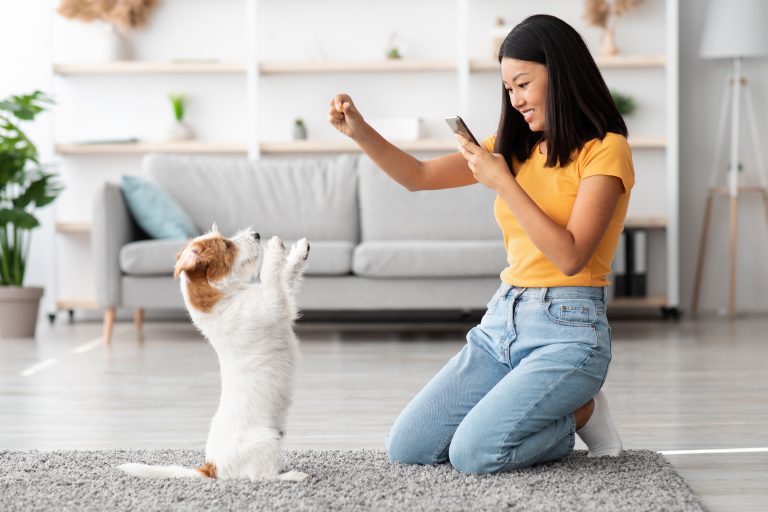
Life in Surprise, AZ can be full, work schedules, school drop-offs, errands, and everything in between. When your day is packed, dog training can easily slip from “I’ll do it tonight” to “maybe this weekend.” The problem is that dogs learn every day, whether training is happening intentionally or not. The habits they repeat; jumping on guests, pulling on leash walks, barking at noises, ignoring cues, become the default.
The good news is that basic dog training can still be effective for busy households when it’s built into short routines. The most sustainable results often come from simple, consistent practice using clear dog training methods, especially when private lessons and in-home sessions are structured around real-life challenges rather than ideal schedules.
Why Busy Schedules Make Training Feel Hard
Many pet parents assume training requires long blocks of time. In reality, the bigger issue is usually inconsistency. If your dog practices unwanted behaviors all week and practices new skills once on the weekend, the unwanted behaviors often win.
A few common schedule-related roadblocks include:
- Training only when there’s time left over (which often means rarely)
- Unclear expectations (everyone in the home responds differently)
- Trying to fix too many behaviors at once
- Practicing only in “perfect” conditions rather than real-life situations
Professional dog training sessions often succeed because they turn vague goals into a simple plan: what to practice, when to practice, and how to make it easy to repeat.
Time-Saving Dog Training Methods That Actually Work
Busy owners tend to do best with methods that are repeatable and measurable. Think of training like brushing your teeth, small daily routines that add up.
Here are realistic approaches that fit hectic schedules:
- Micro-sessions: 2–5 minutes, once or twice a day
- Habit stacking: practice during things you already do (meals, walks, door routines)
- Rewarding everyday calm: reinforcing quiet, settled behavior throughout the day
- One focus per week: stick with a single skill until it’s reliable
If your dog struggles with excitement, impulse control, or distractions, these short sessions can be more effective than occasional long training attempts.
Overcoming The “No Time” Problem With Routine-Based Training
If you’re busy, your best training opportunities are already built into your day.
Mealtime:
Food is a powerful motivator. Use a portion of meals to practice basics like sit, wait, and calm behavior before the bowl goes down. This supports basic dog training while also improving patience.
Doorways:
Have your dog pause before going out the door. This is a small moment of structure that reduces rushing and builds impulse control.
Leash Walk Prep:
Before a walk, practice one minute of calm, standing still, leash relaxed, attention on you. This prevents the “launch into chaos” pattern.
These routines are simple dog training methods that create consistency without requiring extra hours.
Handling Jumping, Pulling, And Overexcitement
These are among the most common struggles for busy households because they show up in high-energy moments; guests arriving, kids running around, or the start of a walk.
Jumping On People:
Jumping often gets attention, even if it’s negative attention. Practice a consistent alternative like “four paws on the floor” or settling on a mat during visitor arrivals. If needed, use a leash indoors temporarily so your dog can’t rehearse the behavior.
Pulling On Leash Walks:
Instead of trying to power through, practice short “reset moments.” Stop when the leash tightens, wait for slack, then move forward. Busy owners get better results by practicing a few calm blocks rather than expecting a perfect full walk.
Overexcitement During Transitions:
Transitions are when dogs tend to lose control, leaving the house, greeting visitors, seeing another dog. Focus on teaching calm before the exciting event happens. That’s where professional dog training strategies often place the most emphasis.
Staying Consistent When Multiple People Are Involved
One of the biggest barriers to basic dog training is inconsistency across the household. Dogs learn patterns quickly, and mixed responses are confusing.
Make it easier by agreeing on:
- What behaviors get rewarded
- What behaviors do not get attention
- What words you’ll use consistently
- What the routine looks like at the door, on walks, and around meals
Even a simple one-page routine shared in the home can dramatically improve results because everyone follows the same structure.
Fixing “My Dog Listens At Home But Not Outside”
This is extremely common. It doesn’t mean the dog is stubborn, it usually means the distraction level is too high for the current skill level.
Try this progression:
- Practice basics in a quiet room
- Practice basics in a different room
- Practice with mild distractions (TV on, family walking around)
- Practice in the yard
- Practice on the sidewalk
- Practice near higher distractions in short bursts
This is one of the most practical dog training methods for building reliability without overwhelming your dog.
When Private Lessons And In-Home Sessions Make Sense
Busy owners often benefit from private lessons because they reduce trial-and-error and focus on what actually matters in your day-to-day life. In-home sessions also help address the exact situations that cause challenges, door greetings, household routines, barking at windows, or leash behavior in the neighborhood.
If you’re looking for structured support that fits a real schedule, their team offers reliable dog training services through in-home sessions and private lessons tailored to household needs.
Keeping Progress Going Without Burning Out
Training shouldn’t feel like another overwhelming task on your list. The key is choosing small steps you can repeat. If you’re consistent with short sessions, your dog’s behavior improves because the household becomes predictable and the expectations stay clear.
For busy pet parents in Surprise, AZ, a few minutes a day can make a noticeable difference, especially when training is built into routines, not added on as a separate chore.