Garages are one of the most common places pests enter and settle because they offer shelter, storage clutter, warmth, and access points near the outside of the home. In Buckeye, AZ, garage storage areas can become early pest hotspots when boxes, pet supplies, tools, and seasonal items create hiding places close to doors, walls, and utility openings.
For many homeowners, the garage works as more than a parking space. It may hold pantry overflow, sports equipment, holiday decorations, gardening tools, workbenches, pet food, moving boxes, and household supplies. While this makes the garage useful, it can also create the exact conditions pests look for before moving deeper into a home.
Why Are Garages So Attractive to Pests?
Garages connect indoor living areas with the outside environment. Unlike interior rooms, garages often have wider door gaps, less climate control, and more direct exposure to driveways, yards, trash bins, and landscaping. These conditions can make pest access easier.
In Buckeye, pests may seek cooler, shaded areas during intense heat or look for warmth during cooler desert nights. A garage can provide both, depending on the season and time of day. If water, food, or clutter is available, pests may remain in the space instead of passing through.
Common garage pest attractants include cardboard boxes, stored fabrics, spilled pet food, birdseed, grass seed, open trash bags, leaking water heaters, and cluttered corners. Once pests find protection, they may nest behind shelves, under storage bins, inside wall gaps, or near the garage door threshold.
How Does Garage Storage Contribute to Pest Problems?
Storage is one of the biggest reasons garages become pest hotspots. Cardboard boxes are especially common because they are easy to stack and reuse. However, cardboard can absorb moisture, collect dust, and provide pests with dark, sheltered spaces. Some pests may even chew through cardboard or use it as nesting material.
Plastic bins with tight lids are usually easier to manage than open boxes, but placement still matters. When storage is pushed directly against walls, it becomes harder to inspect corners, baseboards, and entry points. Pests can travel behind stacked items without being noticed.
Seasonal items can also go untouched for months. Holiday decorations, camping gear, old clothing, patio cushions, and unused furniture may hide pest activity until the items are moved. By then, the issue may have spread.
Homeowners searching for pest control may not always think to mention garage storage, but it can be one of the most important areas to evaluate during a residential pest control inspection.
What Pest Entry Points Are Common Around Garages?
Garage doors are a primary access point. Even small gaps under the door or along the side seals can allow insects and other pests to enter. Over time, rubber seals may crack, shrink, or shift, especially in hot climates. If light can be seen around the garage door, pests may be able to use that space.
Other common entry points include wall cracks, foundation gaps, vents, utility lines, door frames, windows, and openings around plumbing or electrical penetrations. Attached garages may also have doors leading directly into the home, which increases the importance of managing pest activity early.
Driveways and garage aprons can also guide pests toward the structure. Cracks in concrete, expansion joints, gravel borders, and nearby landscaping can serve as pest pathways. Once pests reach the garage, cluttered storage areas may give them places to hide.
Why Can Garage Pest Activity Spread Indoors?
Garage pest activity can become an indoor concern because many garages are attached to kitchens, laundry rooms, hallways, or utility areas. If pests find food or shelter in the garage, they may move through interior doors, wall voids, plumbing gaps, or baseboard openings.
This is especially concerning when food-related items are stored in the garage. Bulk pantry goods, pet food, drinks, and trash can attract pests that later explore nearby rooms. Cockroaches, ants, spiders, beetles, and other pests may first appear in the garage before they are noticed indoors.
Residential pest control can help identify whether pests are isolated to the garage or using it as a pathway into other areas. This distinction matters because treating only the visible activity may not address the source of the problem.
How Can Homeowners Make Garage Storage Less Pest-Friendly?
A cleaner and more organized garage can make pest issues easier to prevent and detect. The goal is not to remove every stored item, but to reduce hiding places and limit access to food, water, and shelter.
Homeowners can start by replacing worn cardboard boxes with sealed plastic containers. Items should be stored off the floor when possible and kept several inches away from walls to allow for inspection. Pet food, birdseed, and lawn products should be kept in tightly sealed containers.
Trash should be bagged and stored in bins with secure lids. Spills from drinks, paint, oil, or food should be cleaned promptly. If a water heater, sink, refrigerator, or hose connection is located in the garage, homeowners should check for leaks or moisture buildup.
It is also helpful to sweep corners, remove cobwebs, and inspect stored items before bringing them indoors. These simple habits can make pest activity easier to spot early.
When Should Pest Removal Services Be Considered?
Pest removal services should be considered when pests are seen repeatedly, when droppings or shed skins appear, or when activity continues after cleaning and organizing. Occasional pests may enter through an open garage door, but repeated sightings often suggest a larger issue.
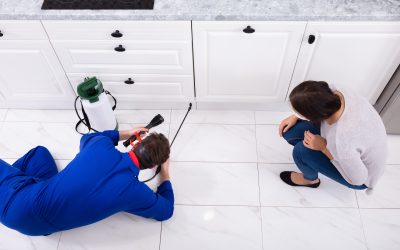
Professional support may also be useful when pest activity is found near interior doors, stored food, pet supplies, or hidden corners. A trained technician can inspect access points, identify pest patterns, and recommend treatment based on the home’s layout and conditions.
For Buckeye homeowners dealing with recurring garage pests, Grizzly Pest Control provides pest removal services designed to support residential pest control needs around the home.
How Does Residential Pest Control Support Garage Protection?
Residential pest control helps protect garage areas by combining inspection, treatment, and prevention guidance. Instead of focusing only on pests that are already visible, it considers how pests are entering, where they may be hiding, and what conditions are allowing them to remain.
A garage inspection may include the door threshold, side seals, corners, storage areas, utility openings, wall edges, and the connection between the garage and living space. Treatment may be applied to targeted areas where pest activity is likely, while homeowners may receive practical recommendations for reducing future problems.
In Buckeye, AZ, garages are heavily used and often exposed to outdoor pest pressure. By keeping storage organized, sealing access points, reducing moisture, and using pest control when activity persists, homeowners can help stop the garage from becoming the first pest hotspot in the home.