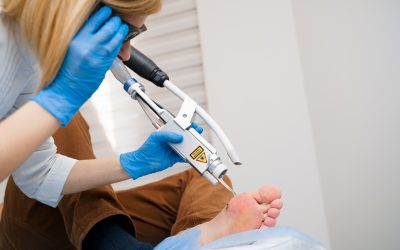
For Medicare patients with diabetes in Jacksonville, FL, managing foot health is crucial for preventing chronic wounds and serious complications. For those searching for Diabetic Foot Care Jacksonville FL, specialized care at First Coast Foot and Ankle Clinic can protect your feet and improve your quality of life. You can count on their teams of podiatrists to help you manage your condition and get back on your feet. Early detection is key when it comes to diabetic footcare. Continue reading to learn more about the services a podiatrist provides for Medicare patients suffering from diabetic feet
The Importance of Regular Foot Inspections: If you notice any abnormalities in your feet, such as blisters, cuts or redness, it is time to see a podiatrist. Scheduling Regular foot inspections can help detect potential concerns before they worsen; this is critical especially if you suffer from diabetes. This is because diabetic patients are at an increased risk for conditions like neuropathy, which can cause loss of sensation and make it challenging to notice injuries or chronic wounds. Even minor foot injuries can lead to extensive medical intervention if not treated on time. Here is where a podiatrist comes in. A podiatrist will assess your foot and develop a personalized treatment plan to address your condition and needs. The sooner you seek medical attention, the better the outcome. As you can see, early intervention is key for better treatment outcomes and preventing long-term damage.
Proper Hygiene and Moisturizing:There are also preventive measures you can take at home to take care of your feet. Maintaining clean and well-moisturized feet reduces the risk of infection. Wash your feet daily with lukewarm water and mild soap, ensuring they are thoroughly dried, especially between the toes. Moisturize the tops and bottoms of the feet to prevent cracking, but avoid applying lotion between the toes, as excess moisture in those areas can promote fungal growth. Trim toenails straight across and file sharp edges to prevent ingrown nails, which can become infected quickly in people with diabetes.
Choosing the Right Footwear: Wearing appropriate shoes is crucial for protecting sensitive diabetic feet. Select shoes that fit well, provide cushioning, and have adequate room for toes. Avoid walking barefoot, even at home, to minimize the risk of cuts and injuries. Change socks daily, opting for moisture-wicking materials to keep feet dry and comfortable. Regularly check the insides of shoes for debris or rough areas that could cause blisters or sores, which can lead to chronic wounds in diabetic patients.
Advanced Wound Care and Professional Support: For Medicare patients with chronic wounds, such as diabetic foot ulcers, advanced wound care is critical to prevent infections and amputations. At First Coast Foot and Ankle Clinic, we offer specialized treatments, including debridement, bioengineered skin substitutes, and negative pressure wound therapy, tailored to your needs. Medicare often covers these advanced wound care services, making expert care accessible. Scheduling regular checkups with a podiatrist ensures ongoing monitoring and professional care to manage chronic wounds and prevent complications.
For Medicare patients in Jacksonville, First Coast Foot and Ankle Clinic is a trusted partner for comprehensive diabetic foot care and advanced wound care, providing expert guidance and support to help individuals with diabetes manage their condition and stay healthy and active.