Searching for a “flooring contractor near me” often starts with picking a material, tile, LVP, carpet, or wood-look options. But the real success of a flooring project usually depends on what happens before installation day. A professional flooring installation contractor will evaluate your home to confirm the floor can perform well long-term, not just look good on day one. For homeowners in Peoria, AZ, this pre-installation evaluation is especially important because heat, dust, and daily wear can expose weak prep work quickly.
Below is a practical, step-by-step look at how a flooring contractor typically evaluates a home before installation begins, what you should expect, and what questions to ask so you can confidently compare an affordable flooring contractor with others in your area.
What the Pre-Installation Evaluation Is (and Why It Matters)
A flooring evaluation is a structured walkthrough that helps the contractor plan the install correctly. It includes checking the condition of the existing floor, the subfloor beneath it, and the environment the new flooring will live in. This is the stage where potential problems are caught early, like uneven subfloors, moisture risks, or transitions that could create trip hazards.
It also helps prevent common outcomes that frustrate homeowners, such as:
- floors that feel “spongy” or uneven underfoot
- gaps at baseboards or doorways
- grout or plank edges that crack over time
- squeaks, hollow spots, or premature wear
Measuring the Space the Right Way
Accurate measurements are the foundation of a smooth project. A flooring installation contractor will measure each room, closets included, and verify the layout rather than relying on a rough estimate. This matters because flooring is purchased and cut based on square footage plus a waste factor (extra material needed for cuts, pattern matching, and mistakes).
During measuring, they’ll also note:
- room shape (angles, alcoves, fireplace bump-outs)
- islands and fixed cabinetry footprints
- stair counts and landings (if included)
- door swing clearances and appliance spaces
If you’re comparing bids from an affordable flooring contractor, ask whether measurements were taken on-site and whether the estimate includes waste, transitions, and trim work.
Inspecting the Existing Floor and Removal Needs
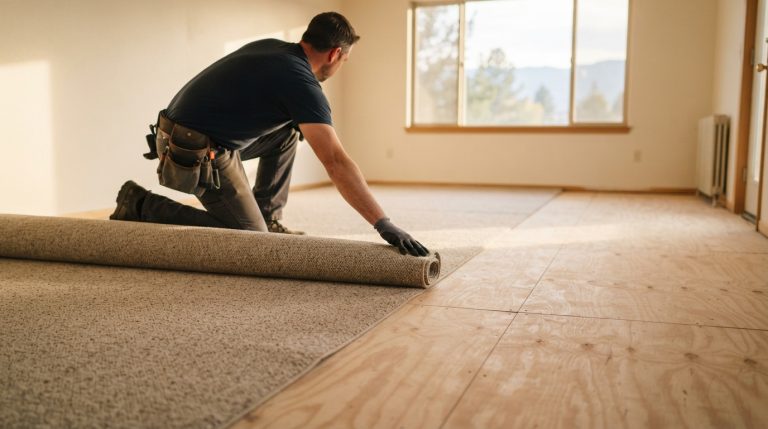
Before new flooring can be installed, the old floor may need to be removed. Contractors typically evaluate:
- what’s currently installed (tile, sheet vinyl, carpet, glued-down materials)
- whether it’s floating or adhered
- how removal might affect the subfloor underneath
- how debris will be contained and hauled away
This step also helps identify whether floor height will change, an important detail for doors, dishwasher clearance, and smooth transitions between rooms.
Subfloor Evaluation: Flatness, Structure, and Soundness
Most flooring failures start with subfloor issues. A good flooring contractor will check whether the subfloor is:
- flat (not just “level,” but flat enough for the specific flooring type)
- structurally sound (no soft spots, rot, delamination, or loose panels)
- stable (no excessive movement that can crack tile or separate seams)
Tile typically requires stricter subfloor standards than floating floors like LVP, so the contractor’s plan should match the material you choose. If a contractor doesn’t mention subfloor prep at all, that’s a red flag, especially if your home has older flooring, previous leaks, or uneven areas.
Moisture and Water-Risk Checks
Moisture is one of the biggest threats to flooring performance. In kitchens, bathrooms, laundry areas, and slab-on-grade homes, contractors may check for:
- signs of past leaks (staining, swelling, odor, warped trim)
- moisture levels (when needed, using a meter)
- ventilation and humidity concerns
- appropriate underlayment or moisture barrier requirements
Even if you’re not installing in a “wet room,” moisture can travel through slabs or appear from small plumbing issues. This evaluation helps prevent future warping, adhesive failure, or grout problems.
Doorways, Transitions, and Floor Height Planning
A flooring project isn’t only about what happens inside the room—it’s also about how floors meet. Contractors typically evaluate:
- transitions between tile and carpet/LVP
- thresholds at exterior doors
- hallway connections and long runs
- steps down into sunken rooms (if applicable)
- baseboards vs. shoe molding needs
- door trimming requirements for thicker materials
This is where you’ll often see the difference between a rushed install and a polished one. Clean transitions reduce trip hazards and improve the finished look.
Layout Planning: Where the Floor Starts and How It Flows
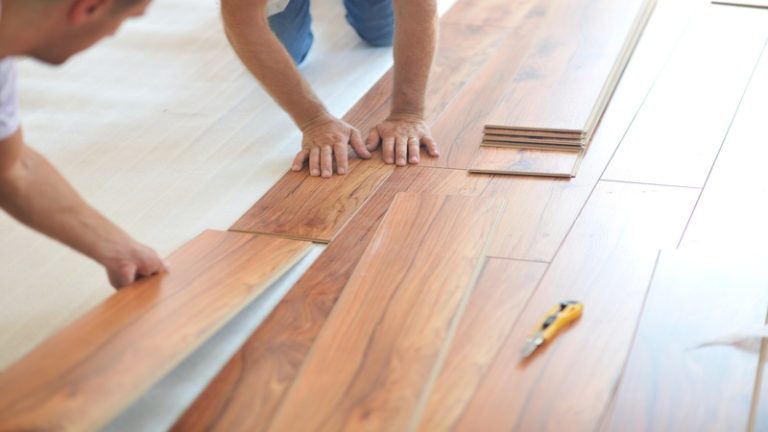
Professional installers don’t “just start in a corner.” They plan layout to avoid awkward cuts and create visual balance. Depending on the material, layout planning may include:
- centering tile lines to avoid tiny slivers at walls
- choosing plank direction for LVP to improve flow and reduce seams
- planning around focal points (kitchen island, fireplace, entryway)
- accounting for expansion gaps (for floating floors)
- selecting grout joint size and pattern alignment (for tile)
This part of the evaluation is also when contractors discuss design preferences—like whether you want minimal grout lines, a staggered plank look, or a specific tile pattern.
What You Should Ask Before You Hire
If you’re searching “flooring contractor near me” in Peoria, AZ, use these questions to compare options fairly:
- What subfloor prep is included (or excluded) in the quote?
- Do you check for moisture issues, and when do you recommend a barrier?
- How do you handle transitions between rooms and doorways?
- What is the projected timeline for removal, prep, installation, and cure time?
- What materials or products do you recommend for high-traffic areas?
A contractor who can clearly answer these questions is usually planning the job carefully, not guessing.
Schedule a Pre-Install Evaluation with a Trusted Pro
A strong pre-installation evaluation is one of the best ways to protect your investment and reduce surprises during the project. If you’re comparing options in Peoria and want to understand your home’s needs before installation begins, start with a walkthrough and clear plan from a trusted flooring contractor.
That one step, measuring, inspecting, and planning before any materials are installed, often makes the biggest difference in how your floors look and perform for years.