When damages strike your teeth, through the form of a cavity, infection or injury, it can lead you to need a tooth extraction. Most people do not want to have to lose a tooth, but sometimes this is the only option. To avoid needing an extraction, the dentist can sometimes save a tooth by placing a crown over it. A dental crown is a tooth-shaped cap that is placed over the tooth, covering all of the exposed areas. This gives the tooth stability and protects it so it does not continue to become damaged. With Crowns in Wichita KS, your tooth may be able to be saved.
What Happens When You Get a Dental Crown?
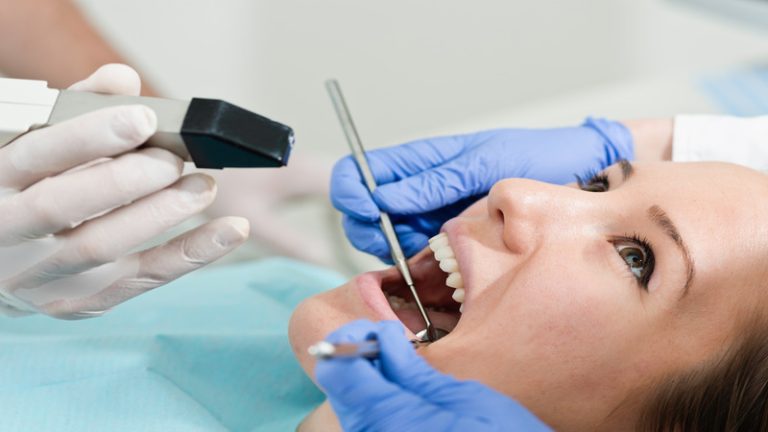
To place a crown on your tooth, the dentist will first need to make a mold of your tooth. This will allow your permanent crown to be created in the dental lab. To prepare your tooth for the new crown, the dentist will shape your tooth, using special tools. Your tooth will need to be much smaller and rounder in shape so the crown can easily slip over your tooth. After all of the shaping has been carried out, the tooth will eventually resemble a peg shape.
At the end of this first appointment, the dentist will place a temporary plastic crown over your tooth, so it will be protected until you get your permanent crown. Once your crown has come back from the lab, you will come back in to see the dentist and have your permanent crown cemented on. Using a special dental cement, the dentist will cement your permanent crown in place, making sure it fits in well with your other teeth and does not cause any problems with you being able to bite properly.
You will need to have your crown checked and maintained on a regular basis, to keep it looking and functioning at its best. You can expect your new crown to last at least seven years, but many last much longer. To learn more about crowns and other dental services available, visit Antoine Wakim, D.D.S. They can provide you with the healthy and beautiful smile of your dreams.