For those who aren’t knowledgeable in the warehouse industry, it’s common to think of pallet racking and industrial shelving as the same way to store and transport goods. However, the two are beneficial in their own way, depending on how they are used.
Knowing what is right for a specific warehouse is going to depend on what is kept there. Before deciding which to use, it’s essential to understand what the difference is.
What is Pallet Racking?
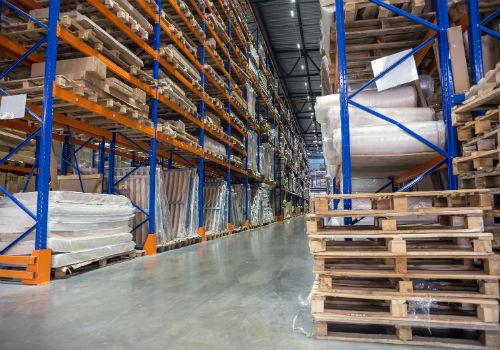
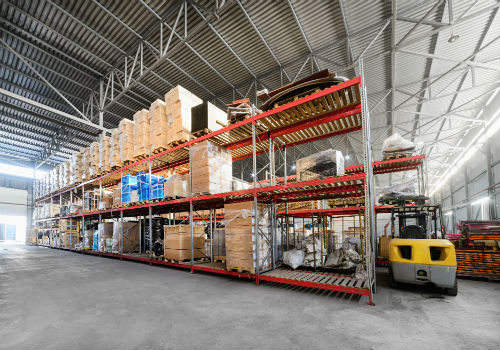
Many companies that have to store large products or boxes full of goods will use a pallet racking system. These are usually only moved with the assistance of heavy machinery. Cherry pickers, forklifts, or automated systems designed to do the job must be present in the warehouse that is using this type of a storage system.
What is Industrial Shelving?
Industrial shelving is what warehouses often operate with when storing smaller goods. It’s a more traditional system for companies that use employees to pick and move the products around by hand instead of requiring a machine to do the work. The shelves are set up individually instead of using several units together.
As technology advances, many businesses are using drones to pick up items and transport them rather than doing it manually.
Construction Materials
There is a variation in the construction of pallets versus industrial shelving. Warehouse racking systems that use pallets are set on mesh shelves, or there aren’t any shelves at all, and the pallets get stacked together. Some designs have special guard rails that machines can slide individual pallets in and out of as well.
Industrial shelving construction was traditionally wood, but more frequently now it is made of solid metal. Some designs also have a solid back implanted to prevent items from falling off out of sight behind the unit. It also prevents goods from being damaged because they can’t slide off.
Size Comparisons
Pallet racking systems do not have limits on size, and stacks can be made of various heights and depths. That’s because they are maneuvered with the help of machinery or automated vertical lift modules.
There are no limits to how tall or wide industrial shelving units can be stacked either. However, most factories and warehouses will put restrictions on the size because they have to be accessible.
Safety Considerations
All companies should take into consideration the safety of the employees working with the stored supplies. The way the systems are used and to what degree will all depend on what is going to keep workers from being hurt due to falling materials.
One thing that helps prevent injury with both systems is bolting the warehouse racking directly to the floor or wall to keep it from shifting around.
Which System is Right for Your Company?
Before deciding which type of storage system is right for your company, consider what you’re putting in your warehouse. The answer will primarily depend on the size of the items you have to keep, and the kind of access you want to have to these goods.
Imagine for a moment storing something like medication. It’s a product that always requires you to have immediate access. Someone will be hand-picking these items, so an industrial shelving system will be more advantageous and convenient.
If your company is one that sells or distributes larger items or goods that are bundled together in large quantities like pet food or furniture, pallet racking will make the operation run more smoothly. Articles of that size can’t easily be shifted around manually, so you’ll need a forklift or other machine to help.
Implementing a Combination
Some companies will stick with just one type of storage system, but that’s entirely up to the operator and the goods involved. It is common to use both types throughout, depending on what is more logical. In short, large, awkward, or heavy items work best with racks and smaller or individual products can be put on shelves.